The Free Upgrade You're Ignoring
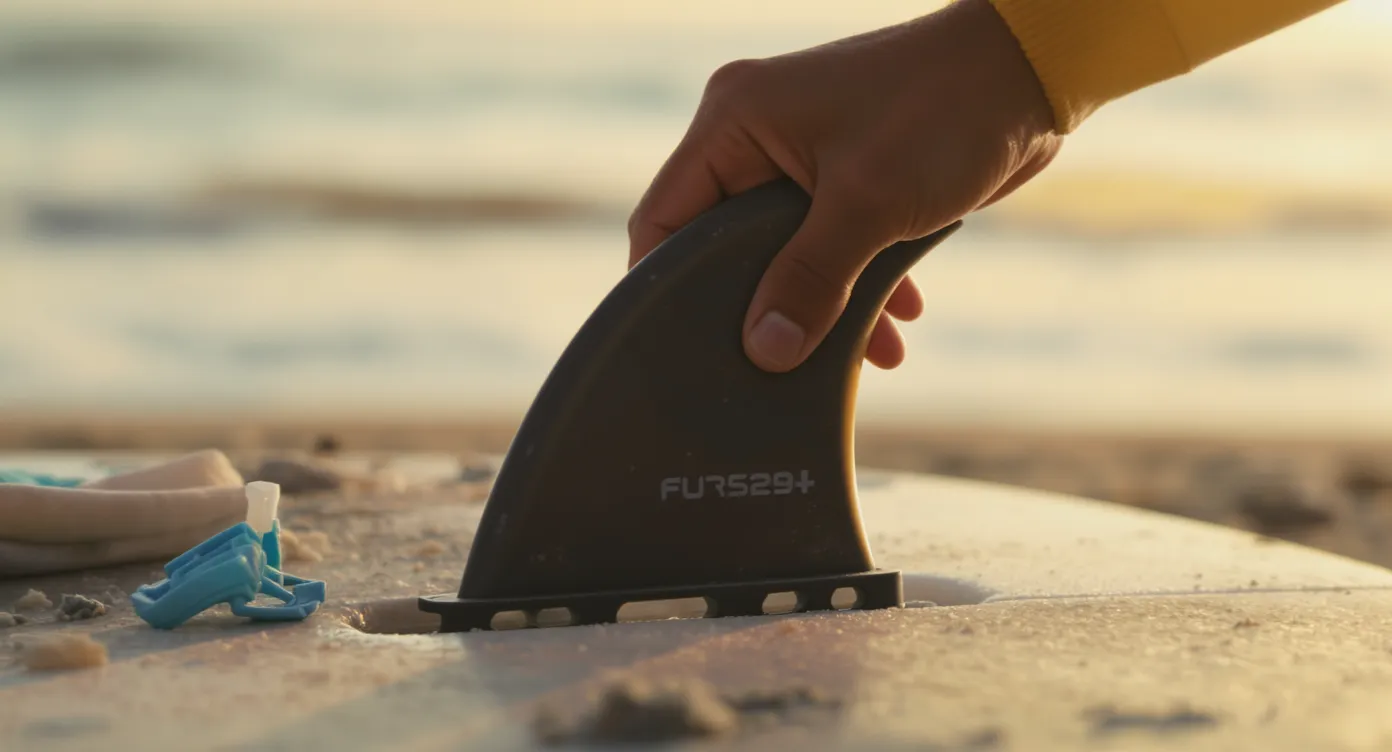
You're sitting in the parking lot at San Onofre, screwing in a new set of Futures. You tighten the grub screw, paddle out, and something feels off. The board tracks fine on the bottom turn, but it won't release off the top. Feels like you're dragging an anchor through the lip.
You blame the fins. Maybe the template's wrong. Maybe the foil doesn't match your board. But before you drop another $80 on a different set, try a free fin placement adjustment: move them a quarter inch forward in the box.
That's it. A quarter inch. And it'll change how your board feels more than any fin swap ever could.
Why Fin Position Matters More Than Most Surfers Think
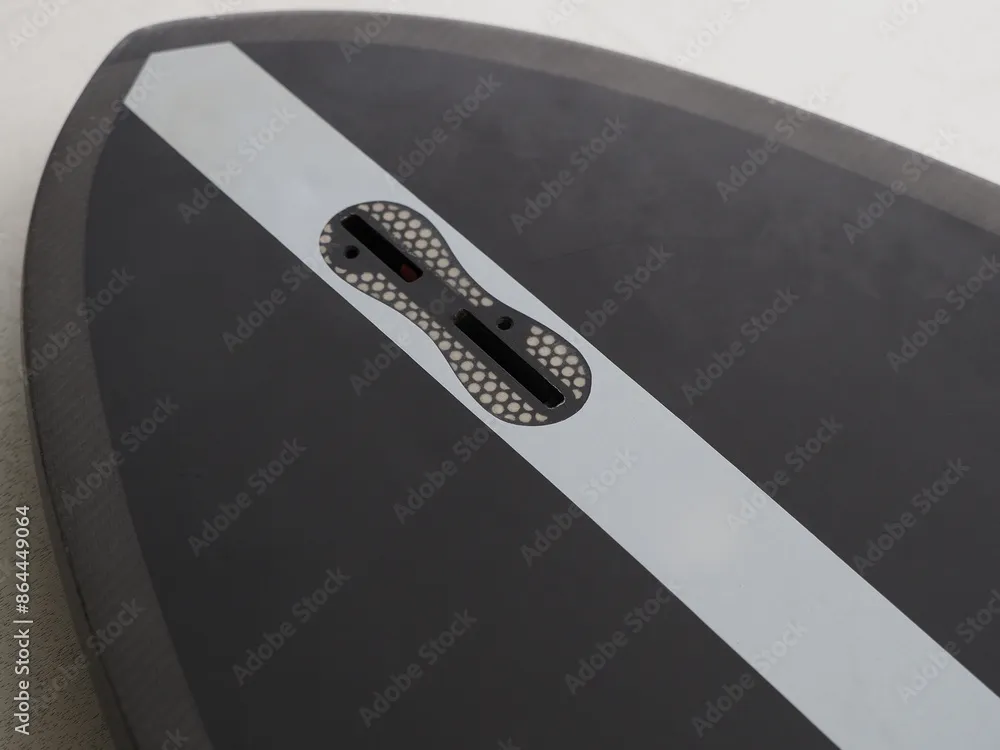
Your shaper put the fin boxes in a specific spot on the board. But those boxes aren't precision instruments. They've got about half an inch of play, front to back. That play exists for a reason: it's your tuning knob.
Moving fins forward in the box shortens the effective distance between your fins and your back foot. That makes the tail looser, turns quicker, and reduces hold. Moving them back does the opposite: more hold, longer arcs, more drive through the bottom turn.
Think of it like adjusting the trucks on a skateboard. Looser trucks let you carve tighter. Tighter trucks keep you stable at speed. Same physics, different medium.
Forward: When You Want the Board to Whip
Slide your fins to the front of the box and the board's personality shifts. The tail gets skatey. Turns happen faster. The board wants to pivot under your back foot instead of carving long, drawn-out arcs.
This is your small-wave setting. Two-to-three foot, fat, mushy summer surf where you need every ounce of maneuverability you can get. The kind of conditions where you're pumping down the line at Scripps and trying to squeeze turns out of a wave that barely has a face.
You drop in, set your rail, and the tail just goes. No fighting it. No waiting for the board to come around. It snaps off the top and you're already setting up for the next section.
If you've ever ridden a board that felt "alive" in gutless surf, there's a good chance the fins were sitting forward.
The trade-off? You lose hold. In anything overhead, a forward fin position can make the tail slide out when you don't want it to.
That sketchy, feet-coming-out-from-under-you feeling on a steep face? Sometimes it's not your technique. It's fin placement.
Back: When You Need the Board to Hold
Push your fins to the rear of the box and everything tightens up. The tail locks in. Bottom turns feel planted. You can lean harder into your rail without the back end washing out.
This is your solid-swell setting. Head-high-plus, fast, steep faces where you need the board to track and hold its line. Think Blacks on a proper winter swell, or your first session at a reef break where the wave is throwing and you're just trying to make the drop.
You set your rail on a head-high right and the fins grab with this quiet confidence. The board doesn't question where it's going. It just drives, bottom to top, with zero hesitation. That's the feel of fins sitting all the way back.
The trade-off is reduced maneuverability. Tight pocket turns get harder. The board wants to draw big lines, and if you're trying to surf a punchy two-foot beachie with fins jammed back, you'll feel like you're surfing through wet cement.
FCS II vs Futures: How Adjustment Works in Each System
Here's where the two major fin box systems differ in a way nobody talks about enough.
FCS II boxes have built-in adjustment range. The tab design lets you click your fins in at slightly different positions within the box. No tools, no hassle.
You can literally adjust mid-session on the beach if you're not feeling the setup. It's one of the genuinely useful features of the FCS II system that most surfers never touch.
Futures boxes use a single grub screw. Your adjustment range depends on the slot in the fin base. It's a smaller window of movement, but it's there.
Loosen the screw, slide the fin, retighten. Takes thirty seconds with a fin key.
Either way, you've got room to play with. And you should be playing with it.
The Center Fin Is Your Main Dial
On a thruster, the center fin does the heavy lifting for directional stability. Moving your side fins has a subtler effect because they're already angled with cant and toe-in. But the center fin? That's your primary adjustment point.
Start here. Move your center fin forward a quarter inch and leave the sides alone. Surf three or four waves.
Then move it back to center. Surf a few more. You'll feel the difference on the first bottom turn.
For quads, there's no center fin to adjust, but you can still shift the rears forward or back. Forward rears on a quad make it even looser and faster. Back rears add hold. Same principle, amplified because quads are already looser than thrusters by nature.
A Starting Framework
Don't overthink this. Here's a simple framework to start experimenting:
- Mushy, small surf (waist-high and under): Fins forward. Get the tail moving.
- Average conditions (waist to head-high): Fins centered. Balanced feel.
- Solid swell (overhead-plus): Fins back. Lock in the hold.
- Barrels and down-the-line speed: Fins back. You want drive, not pivot.
- Punchy beachbreaks with quick sections: Fins forward. You need to whip through sections before they close out.
Kelly Slater has talked about tweaking his fin position based on conditions for decades. Most CT surfers dial this in for every event location. It's not a gimmick or a placebo. It's basic board tuning that works at every level, from the Championship Tour to your Saturday morning dawn patrol.
The Biggest Mistake: Never Touching It
Most surfers buy fins, install them wherever they happen to land in the box, and never think about it again. That's like buying a car and never adjusting the seat or mirrors. Sure, it works. But you're leaving performance on the table.
You don't need to obsess over it. But next time something feels slightly off, before you blame the fin template or the fin size, try sliding your center fin a quarter inch in either direction. It's free, it takes thirty seconds, and it might fix a problem you've been throwing money at for years.
Key Takeaways
- A quarter-inch shift in fin position changes your board's feel more than most fin swaps.
- Forward placement loosens the tail for small waves and tight turns. Back placement adds hold for solid surf and barrels.
- The center fin is your primary adjustment point on a thruster. Start there.
- Both FCS II and Futures boxes allow position adjustment, though FCS II makes it tool-free.
- If something feels off, adjust placement before spending money on new fins.
Not sure whether your current fins need repositioning or a full replacement? Plug your board and conditions into FinFinder's recommender and it'll sort out whether placement, template, or size is the real issue.
Helpful Resources
Ready to Find Your Perfect Fins?
Use our expert fin recommender tool to get personalized suggestions based on your needs.
Try Fin Recommender