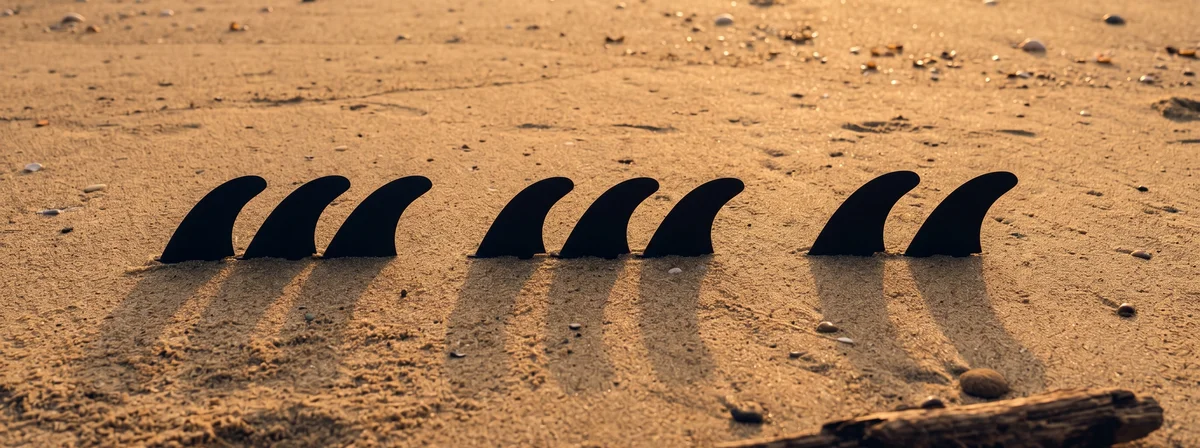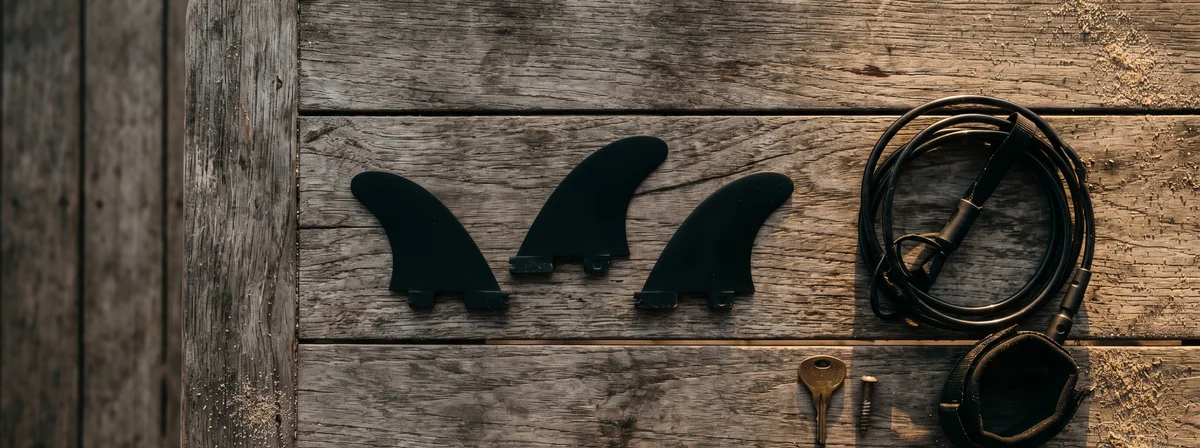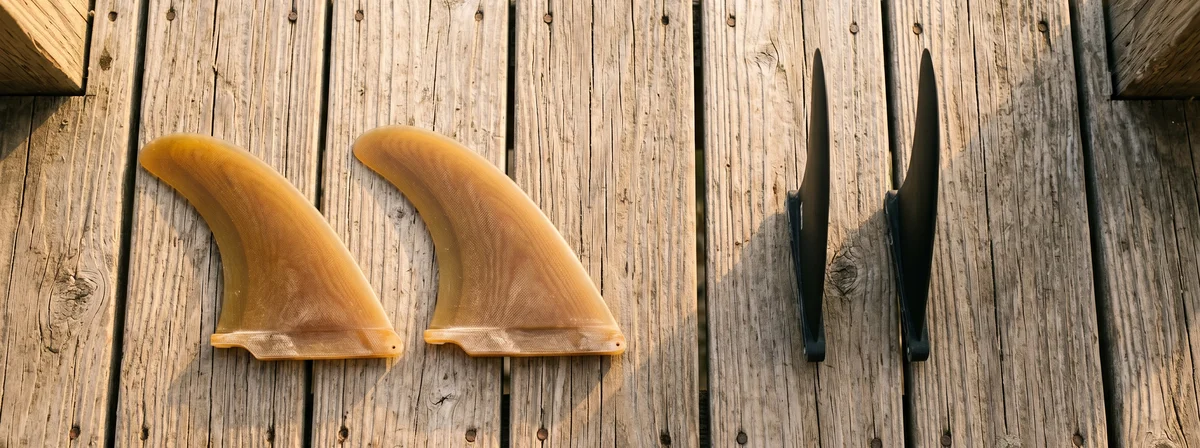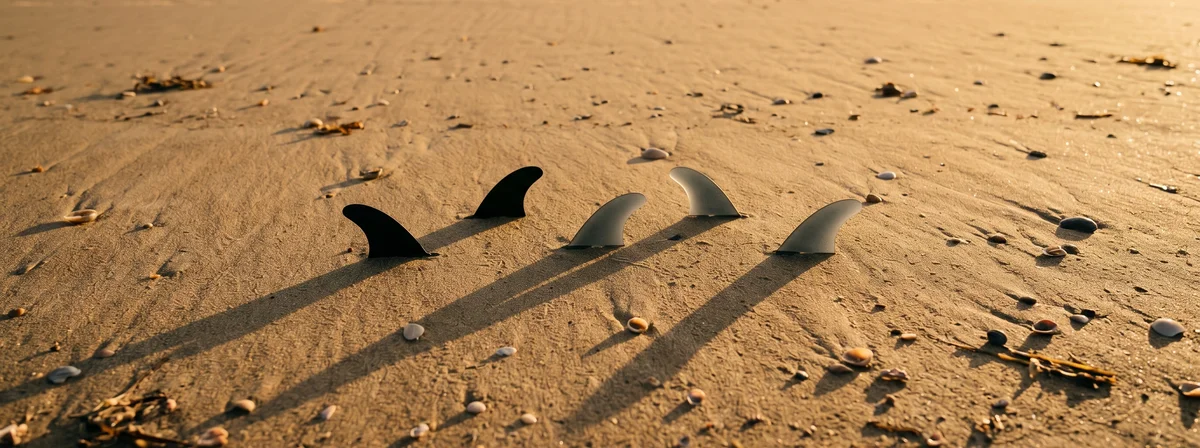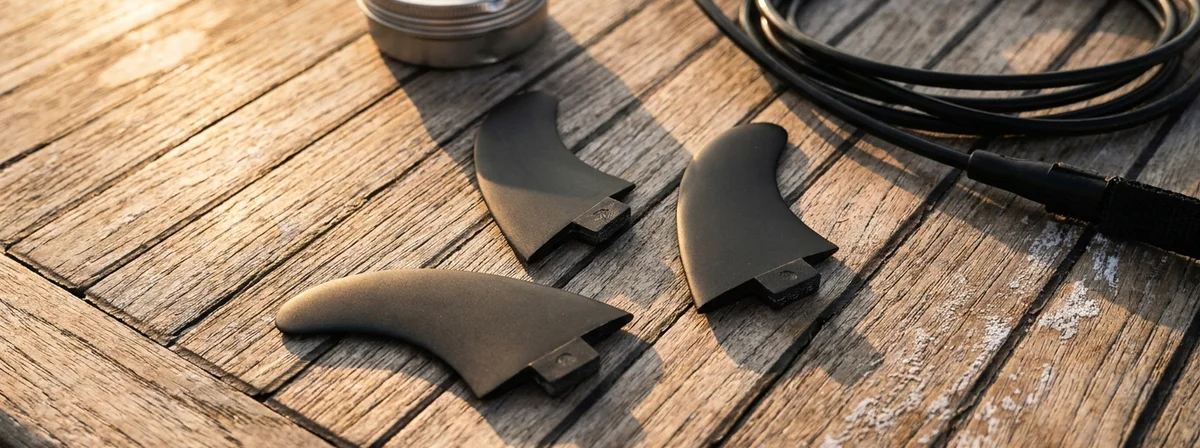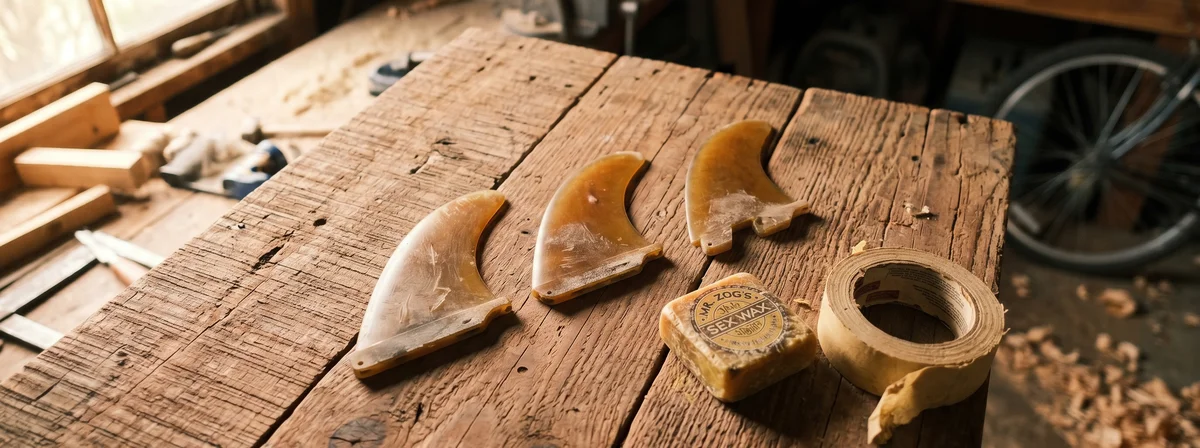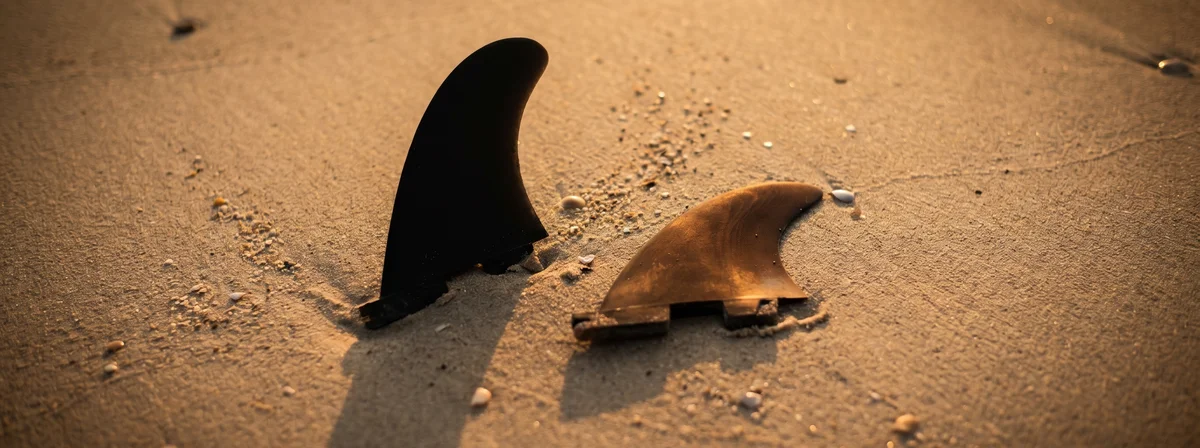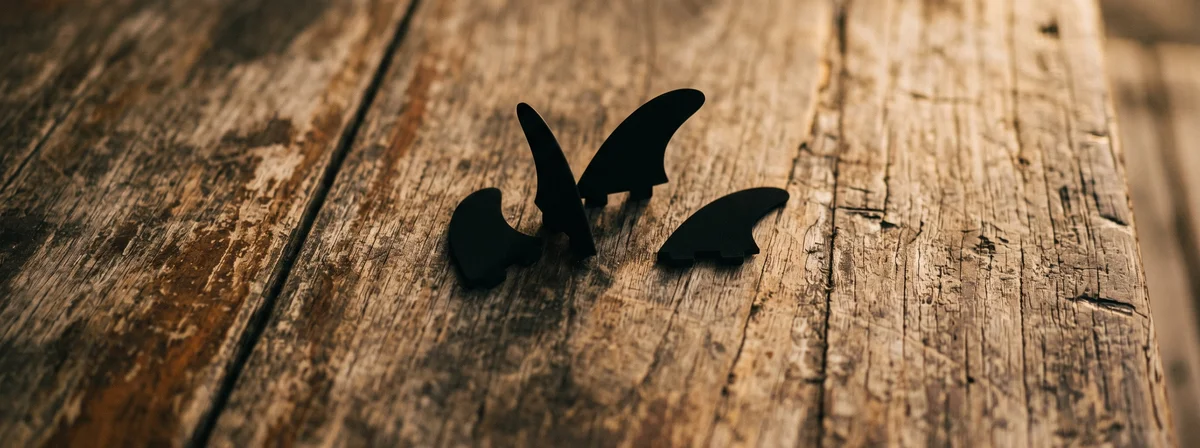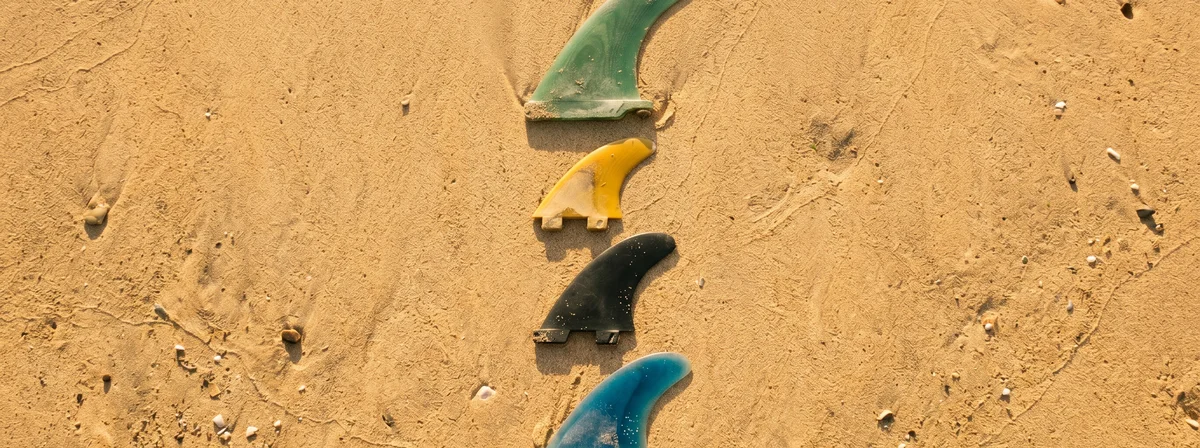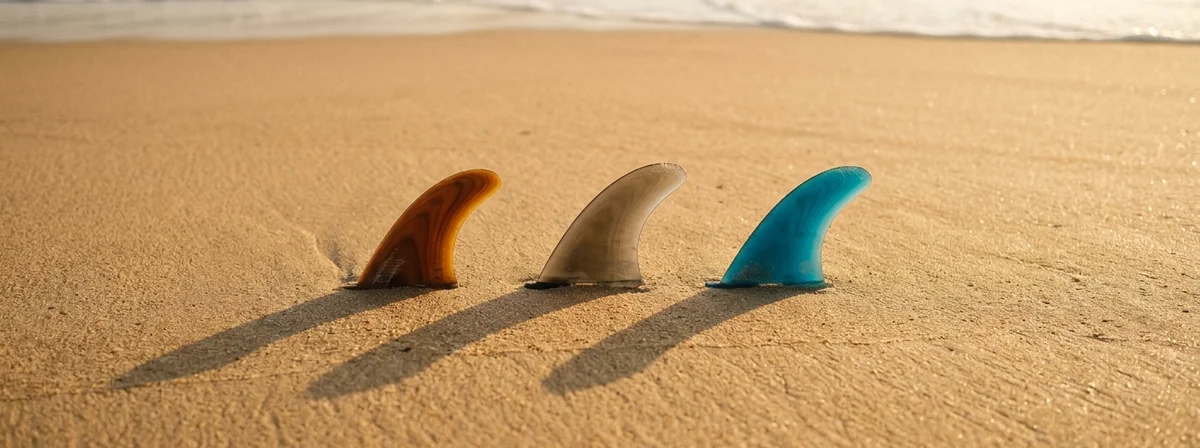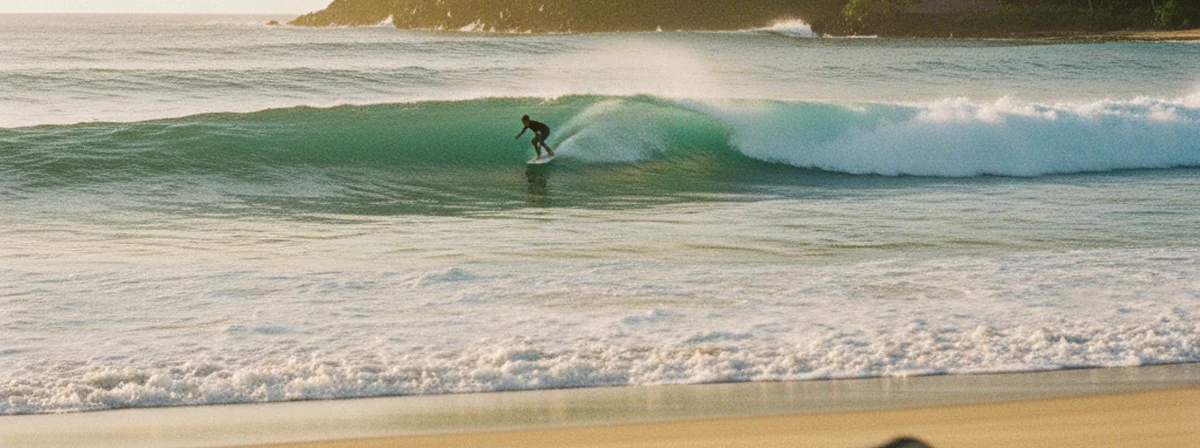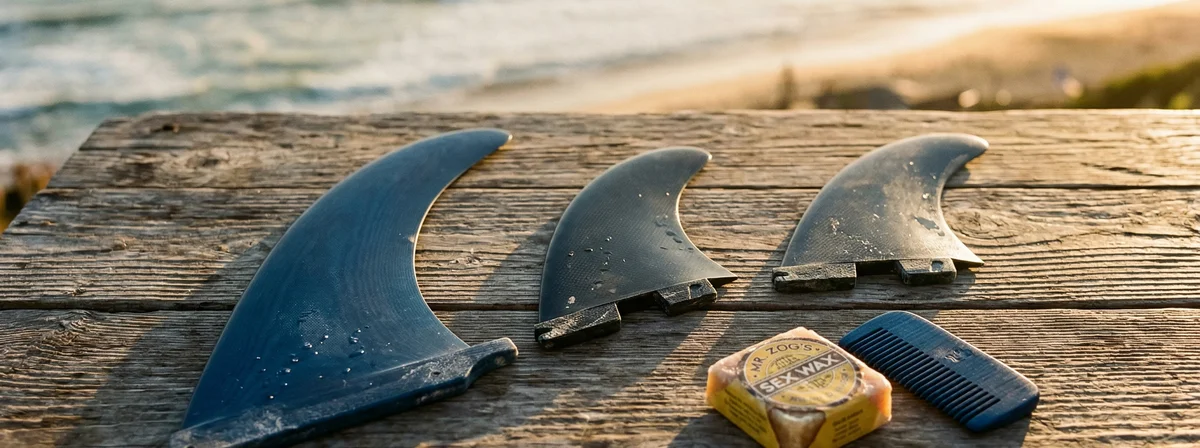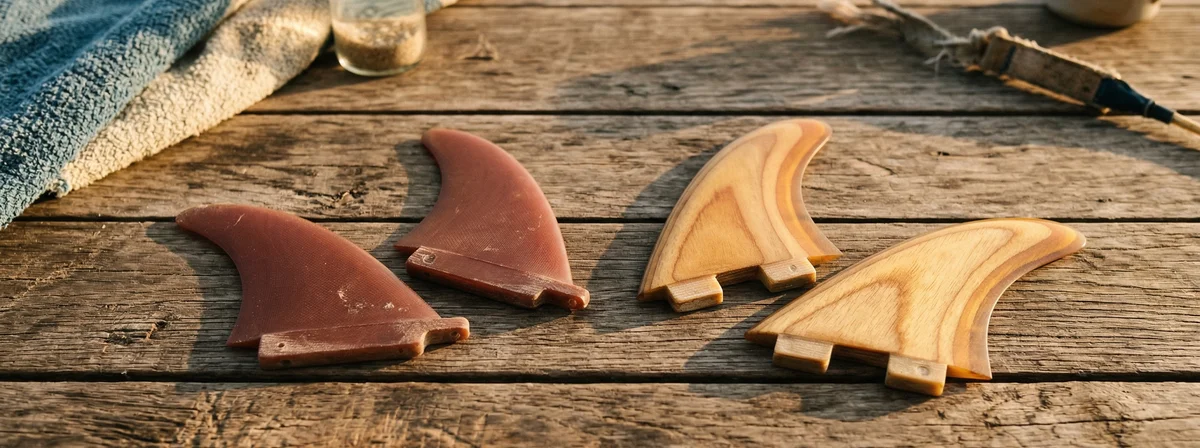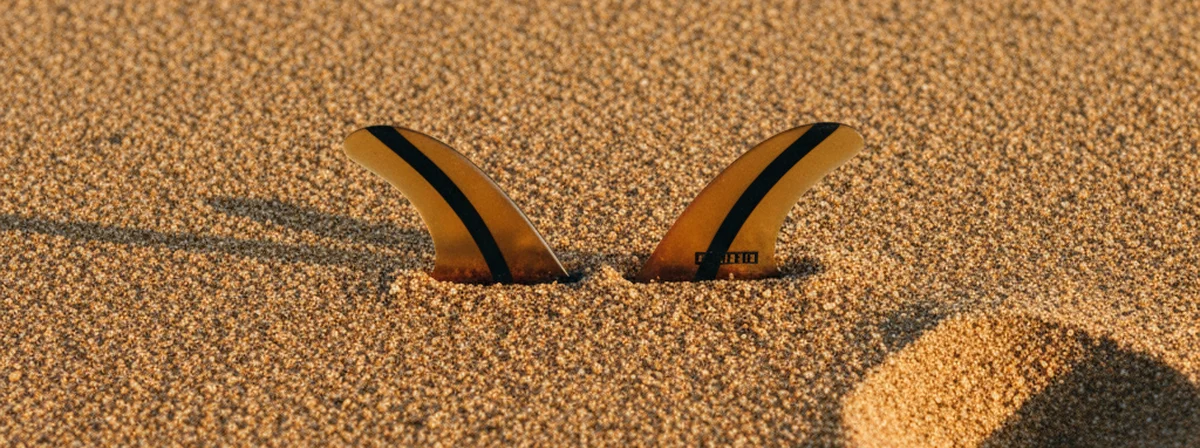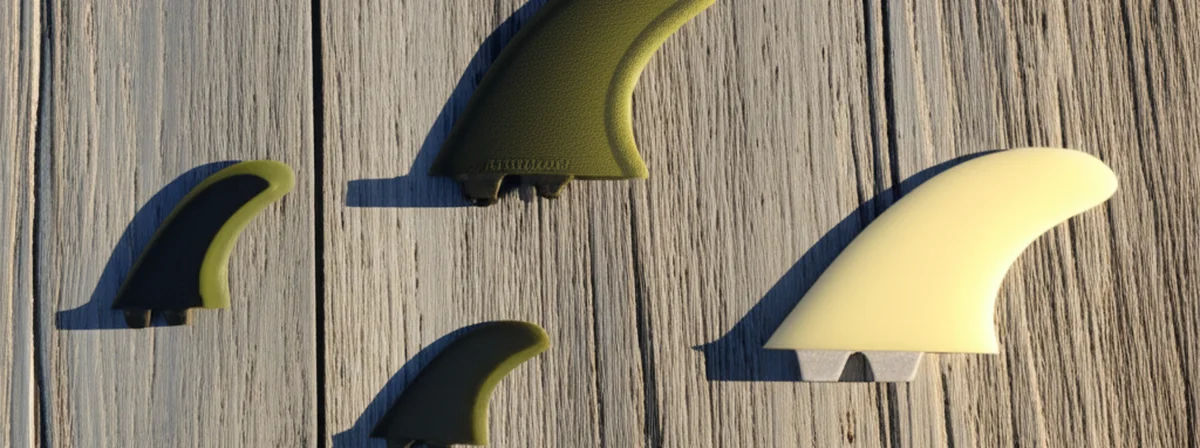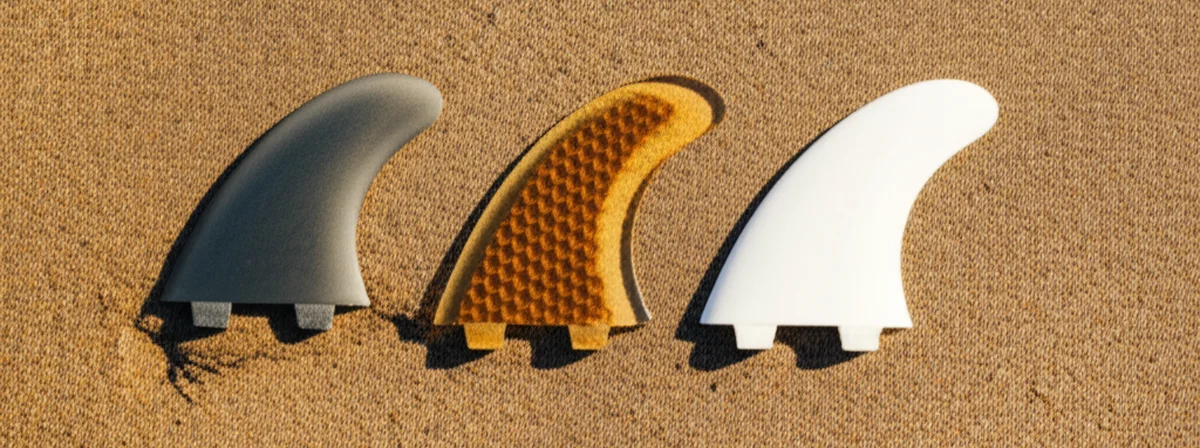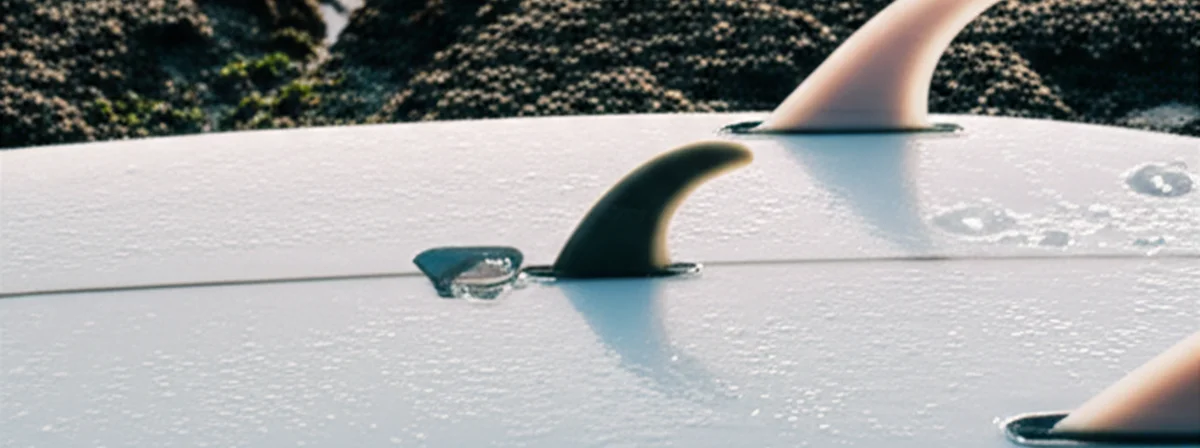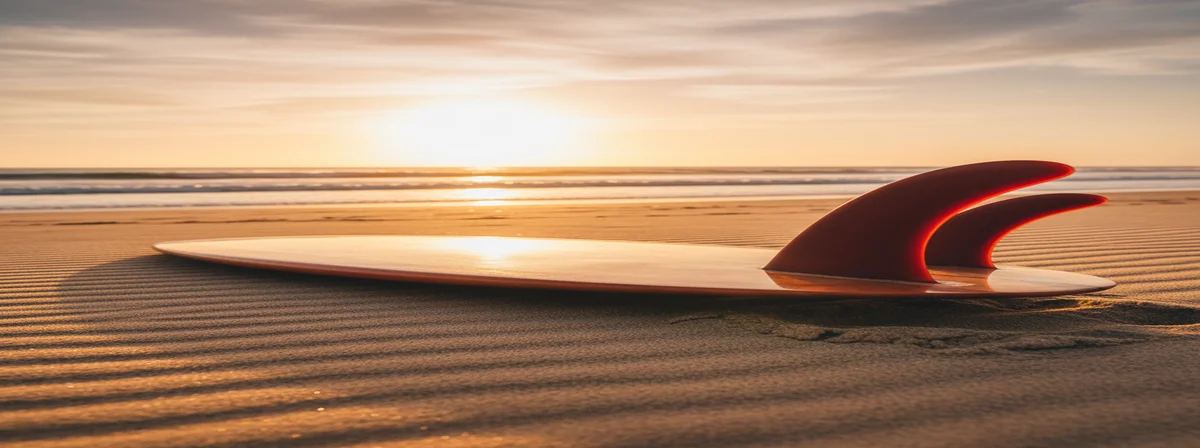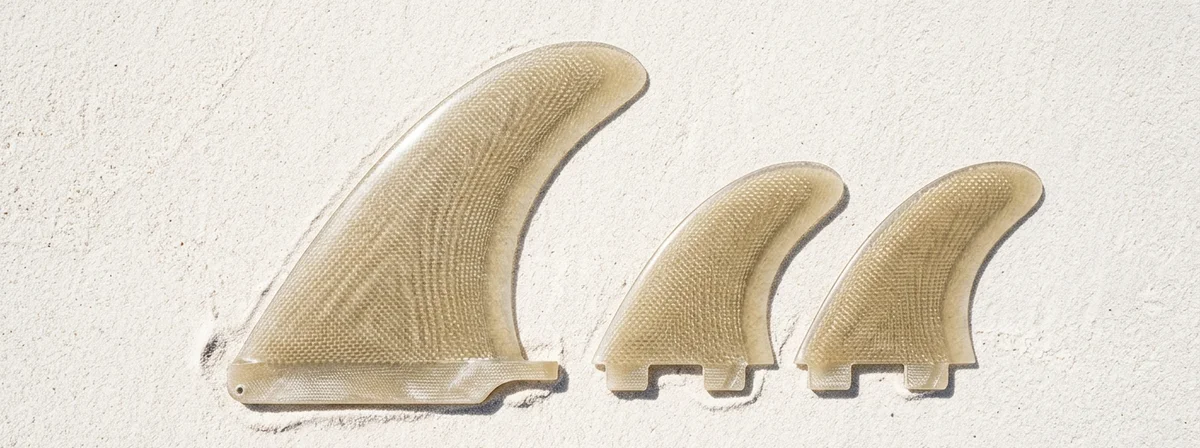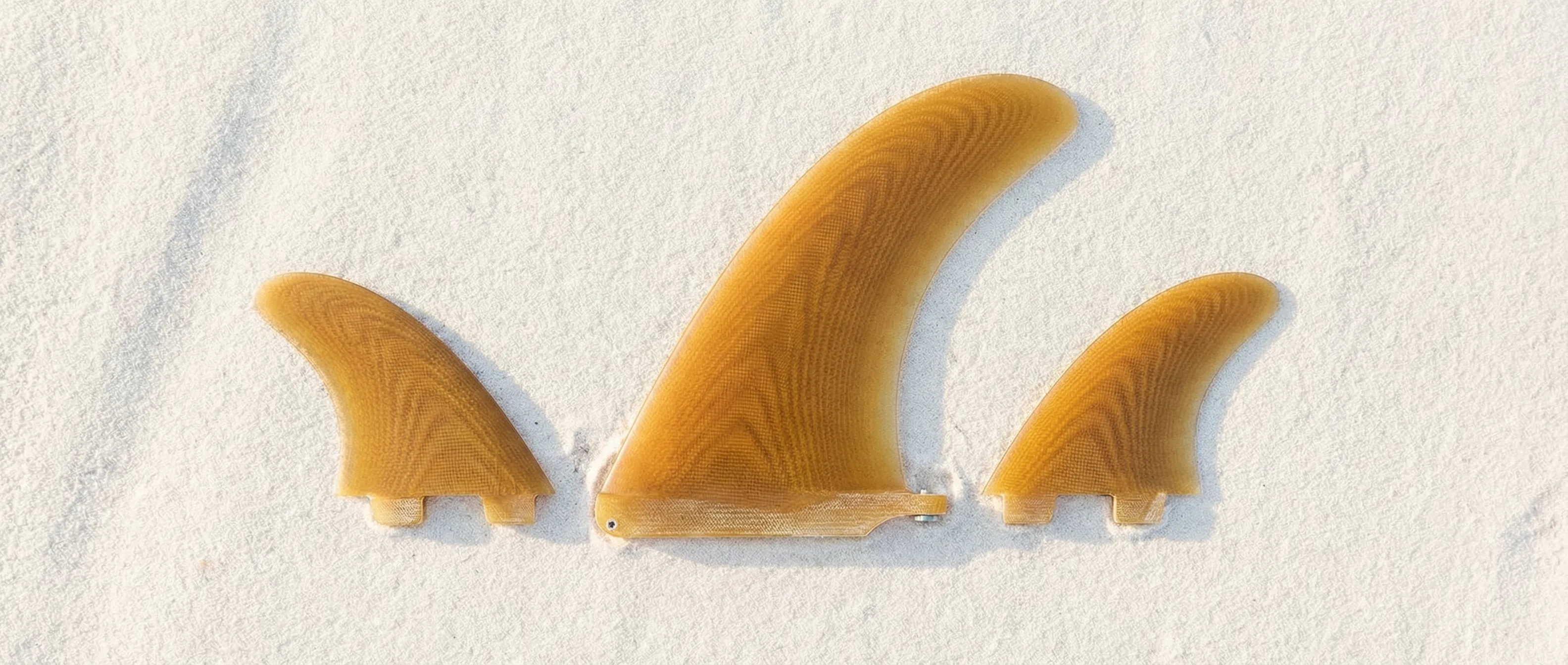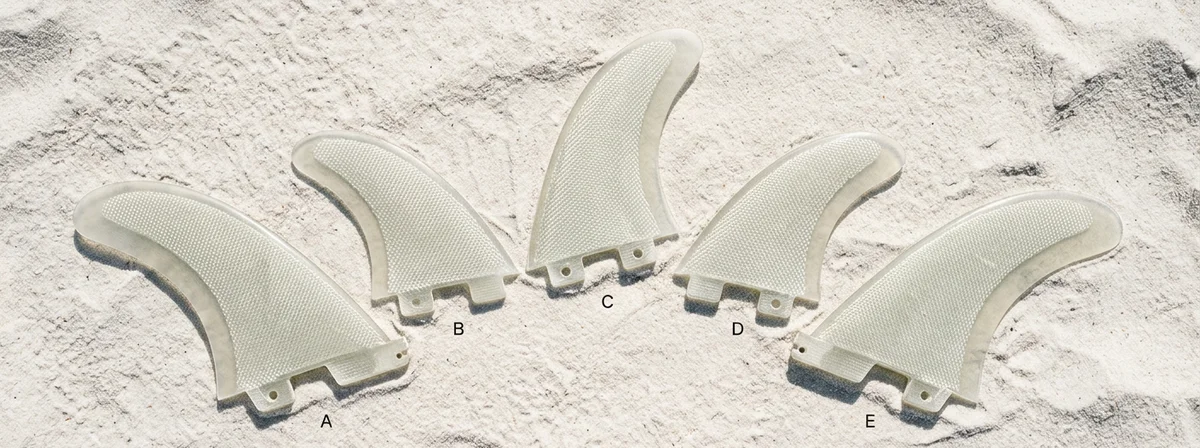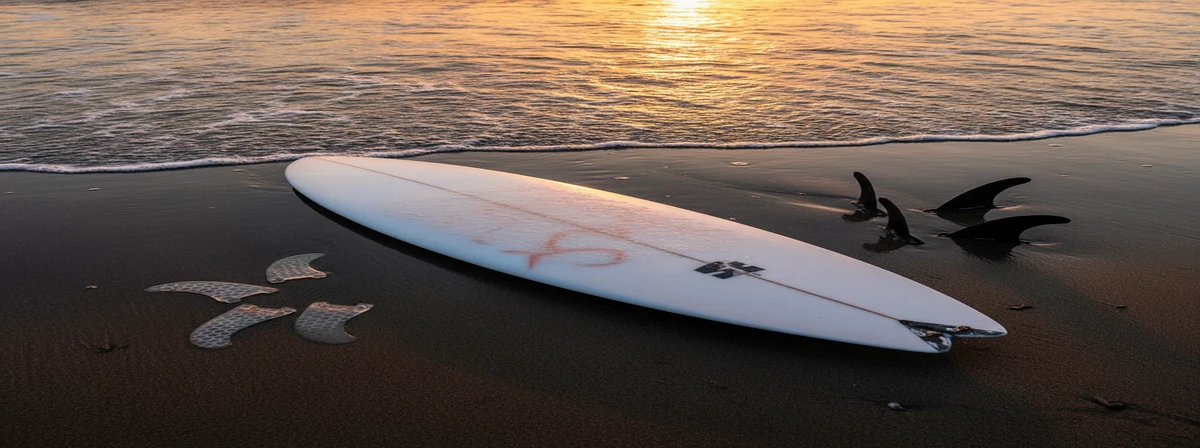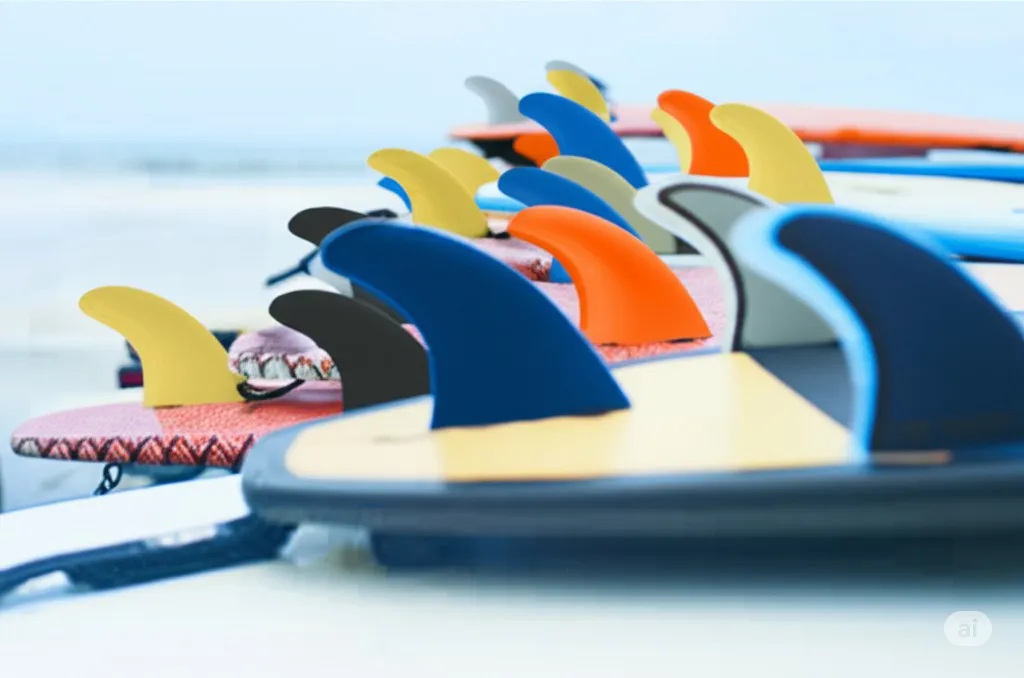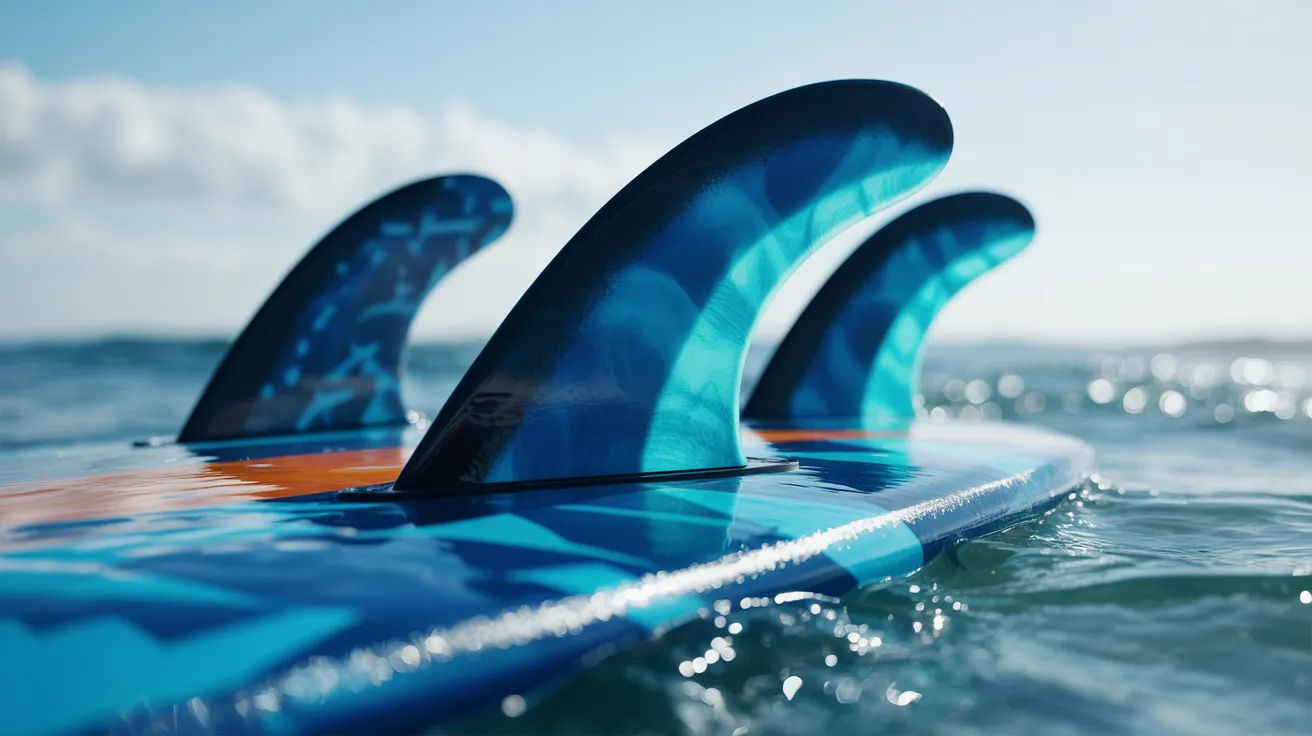
Twin Keel vs Twin Upright: Same Two Fins, Completely Different Boards
Two fins, two completely different boards. Keels glide and trim. Uprights pivot and release. Pick the wrong one and your fish feels broken.
Expert insights, tips, and stories from the world of surfboard fins
Two fins, two completely different boards. Keels glide and trim. Uprights pivot and release. Pick the wrong one and your fish feels broken.
A kneeboarder studying tuna in the 1960s designed a single fin so good it's still the bread and butter of every serious surf shop 60 years later. Here's why.
Used fins can save you 50 to 70 percent off retail. They can also leave you with a set that snaps mid bottom turn. Here's how to tell the difference before cash changes hands.
Every thruster set ships with a smaller center fin. It's not a mistake. Here's why shapers shrink it, what it actually does back there, and when surfers should mess with the ratio.
That high-pitched scream coming from under your board isn't haunted. It's a chipped trailing edge. Here's how to fix it in ten minutes with sandpaper.
Tail rocker is the spec that quietly dictates which fins actually work under your board. Flat tails want loose fins. Kicked tails want drive. Get this match wrong and your fins feel off no matter how good they are.
Concaves, channels, and vees aren't aesthetic. They move water in specific ways and quietly tell you what fins belong in the boxes. Most surfers never look.
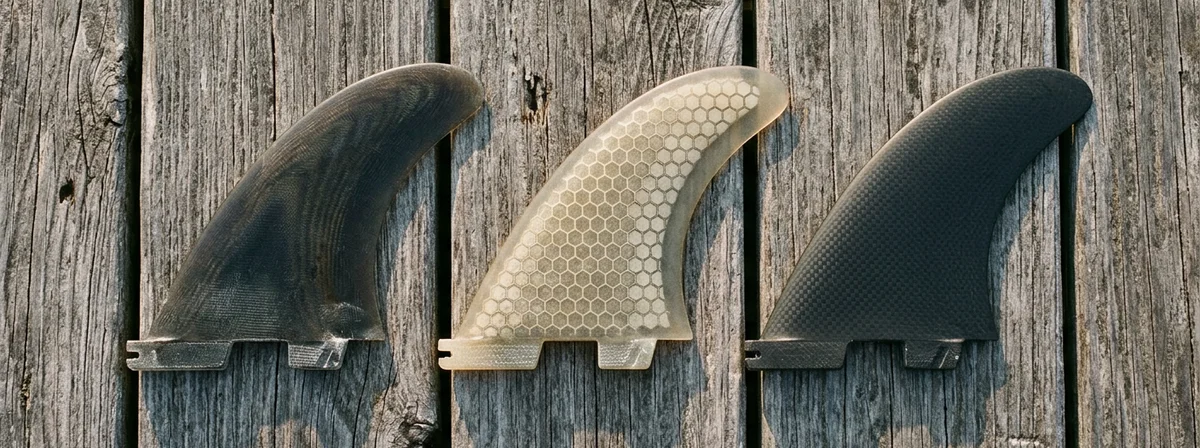
Hold a fin up to the sunlight and you'll see hexagons. That pattern is the entire reason it works. Here's what honeycomb construction actually does.
Two boards with the same dimensions can feel like different animals because of where the side fins sit. The spec your shaper obsesses over and you've never measured.
The fins on a 10'2 Mavericks gun look nothing like the ones in your shortboard. Bigger, stiffer, often glassed in. Here's why big wave fins play by their own rules.
Five fins, double concaves, and a speed feel nothing else gets close to. The Bonzer is the 1970s Campbell Brothers design that quietly out-engineered the thruster and refused to die.
Two fins, same footprint, totally different surf. Aspect ratio is the spec sheet detail that quietly runs your sessions.
You move a fin set from one board to another and the magic's gone. It's not the fins. It's every other variable they're plugged into.
Fin depth is the height spec nobody talks about. Half an inch of fin reach changes how your board holds a rail, drives off a turn, or breaks loose on the top.
Rake and base get the spec sheet attention. The tip quietly decides whether your bottom turn holds and how fast your tail lets go off the top.
Your tail shape decides what fins belong under your board. Squash, swallow, pin, or round, each one wants a different setup. Here's how to read it.
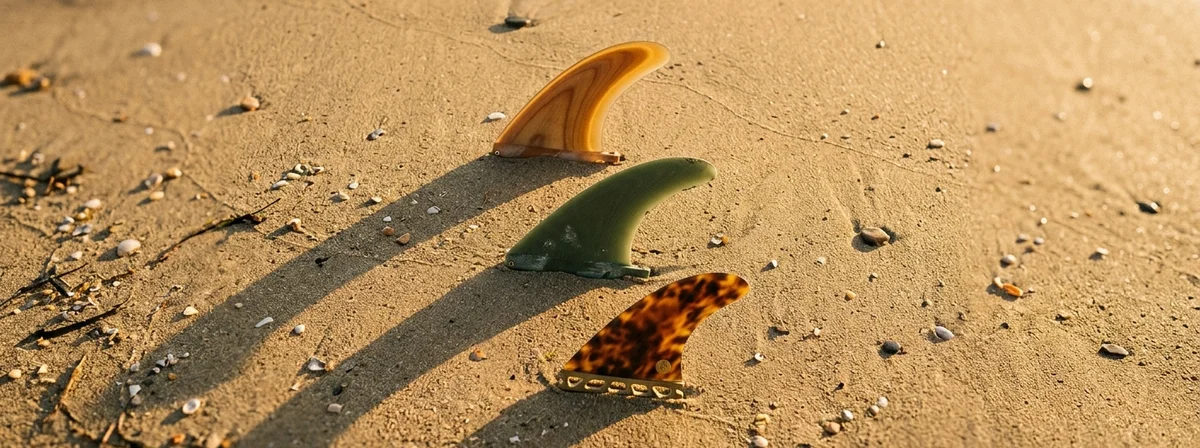
That low hum through your deck during bottom turns isn't random. It's fin chatter, and most of it's completely normal. Here's when to worry and when to shrug.
Carbon fins are lighter than fiberglass. The surf industry prices them like that alone matters. The physics says otherwise. Here's what fin weight really does for your surfing and where your money should actually go.
You've dialed in rake, cant, and flex. But if you've never looked at your fin's foil shape, you're missing the variable that controls speed, lift, and how your board feels through every turn.
Same board, same fins, twelve months a year. That's costing you waves. Here's how to swap fins by season and actually surf better in every swell window.
Glass-on fins feel incredible but you can't swap them. Removable systems are convenient but add weight. Here's when each one actually makes sense for your surfing.
A quarter inch of fin movement changes your board more than most fin swaps. Here is when to slide forward, when to push back, and why most surfers never bother.
You bought the right size fins in the right material. But the template is why your board still feels wrong. Here's what each one actually does under your feet.
Your new board has different fin boxes. Here's what actually changes when you switch systems, what it costs, and how to do it without torching your wallet.
Two smart fin sets cover 90% of your sessions. Here's exactly what to buy for small waves and solid swells without spending more than $200.
Your fins are precision tools, not indestructible plastic. Here's the cleaning routine, storage setup, and warning signs that mean it's time for a new set.
Five numbers control how your fins perform. Here's what base, depth, sweep, area, and foil actually mean, and which ones matter for the waves you surf.
Your fins survived a thousand sessions. Then an airline baggage handler snapped two in half. Here's how to pack smart, what TSA actually cares about, and which fins to bring for Indo.
Shapers don't pick fins last. Some build the entire board around them. Here's how Biolos, Tomo, and Merrick approach the most overlooked part of your surfboard.
Pro surfing has almost zero equipment restrictions. No fin limits, no board specs, no material bans. Here's what the WSL rulebook says and why that matters for you.
Barron Mamiya won Pipe on borrowed fins. John John trusts Futures Techflex. Slater designed his own. Here's what works when the reef is two feet below your board.
Filipe ditched the Performer template for a custom FT fin that blends speed with hold. Here's what changed, why it matters, and what it tells you about your own setup.
Three world titles. Pipeline wins. A 2024 season that silenced every doubter. Here's exactly what John John Florence runs under his Pyzel boards and why it matters for your quiver.
Those floppy rubber fins on your Wavestorm are holding you back. Here's what's actually going on under your foamie and how a $30 upgrade changes everything.
Your fish flies on small days but the stock fins feel wrong. Keels, quads, and twin-plus-trailer setups all work differently. Here's how to pick the right fins for your fish.
Your midlength catches everything but turns like a barge. The fins that came stock are the problem. Here's how to set up a 2+1, thruster, single, or quad on your 7-footer.
Your daily driver fins weren't built for overhead surf. When the swell jumps and you grab the step-up, here's how to set up your fins so the board holds instead of slides.
Your groveler was built to squeeze speed from nothing. But slapping your standard thruster fins in those boxes is like putting snow tires on a go-kart. Here is what to run instead.
FCS and Futures get all the shelf space, but Captain Fin, True Ames, Rainbow Fin Co, and Kinetik Racing make fins that belong in your quiver. Here's why.
Two of FCS's best thruster sets, two very different philosophies. We break down which one actually works when the beach break is pumping.
Rob Machado's keel fins have a cult following. We put them on three different fish boards to find out if the hype holds up or if you're just paying for the name.
Premium fins cost a fortune, but you don't need to spend $150 to get fins that actually perform. Here are the budget sets worth your money.
Two of the most popular all-around thruster sets go head to head. Same price range, different personalities. Here's which one belongs on your board.
Rake is the reason your buddy's board carves long arcs while yours snaps tight in the pocket. A few degrees of sweep change everything about how your turns feel.
Base length is the most overlooked number on your fins. A few millimeters wider or narrower changes how your board accelerates, holds speed, and snaps through turns.
Your fins have hidden angles that change how your board turns, tracks, and feels. Here is what cant and toe do, and why most surfers never bother to learn.
Your fin material changes how your board feels more than your fin template does. Here's what carbon, fiberglass, and plastic actually do under your feet.
That little nub in the center box isn't decorative. Trailer fins fix quad drift without killing your speed. Here's when they work, when they don't, and why Kelly Slater swore by one.
Stiff fins hold. Flexible fins generate speed. But the real magic is in where the fin flexes. Here's how flex patterns work and which one matches your surfing.
Twin fins aren't a nostalgia trip anymore. They're the fastest thing in mushy surf. Here's why the retro setup is taking over and whether it belongs in your quiver.
One fin bigger than the other isn't a mistake. Asymmetric fins match your body mechanics and might be the most logical idea in surfboard design. Here's how they work.
The 2+1 fin setup blends single fin soul with modern control. Here is when it rips, when it doesn't, and how to dial yours in.
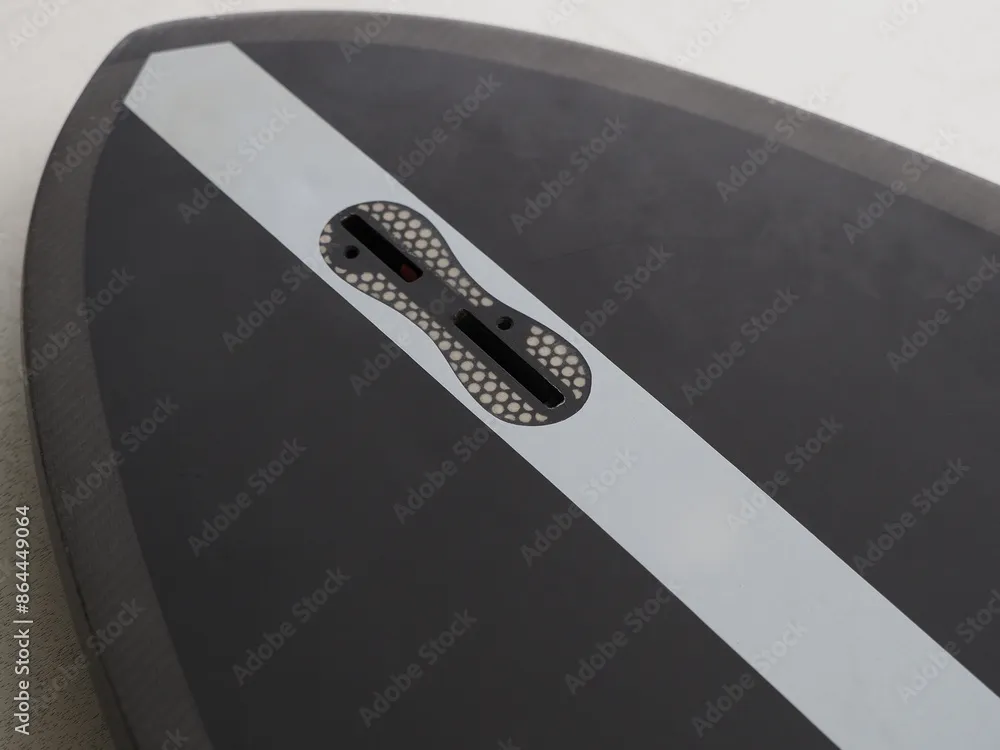
Five fin plugs on your board aren't decoration. They're three different setups waiting to happen. Here's how to use all of them.
Your thruster's dragging through summer slop like it owes you money. Here are the quad setups that turn gutless mush into something worth paddling out for.
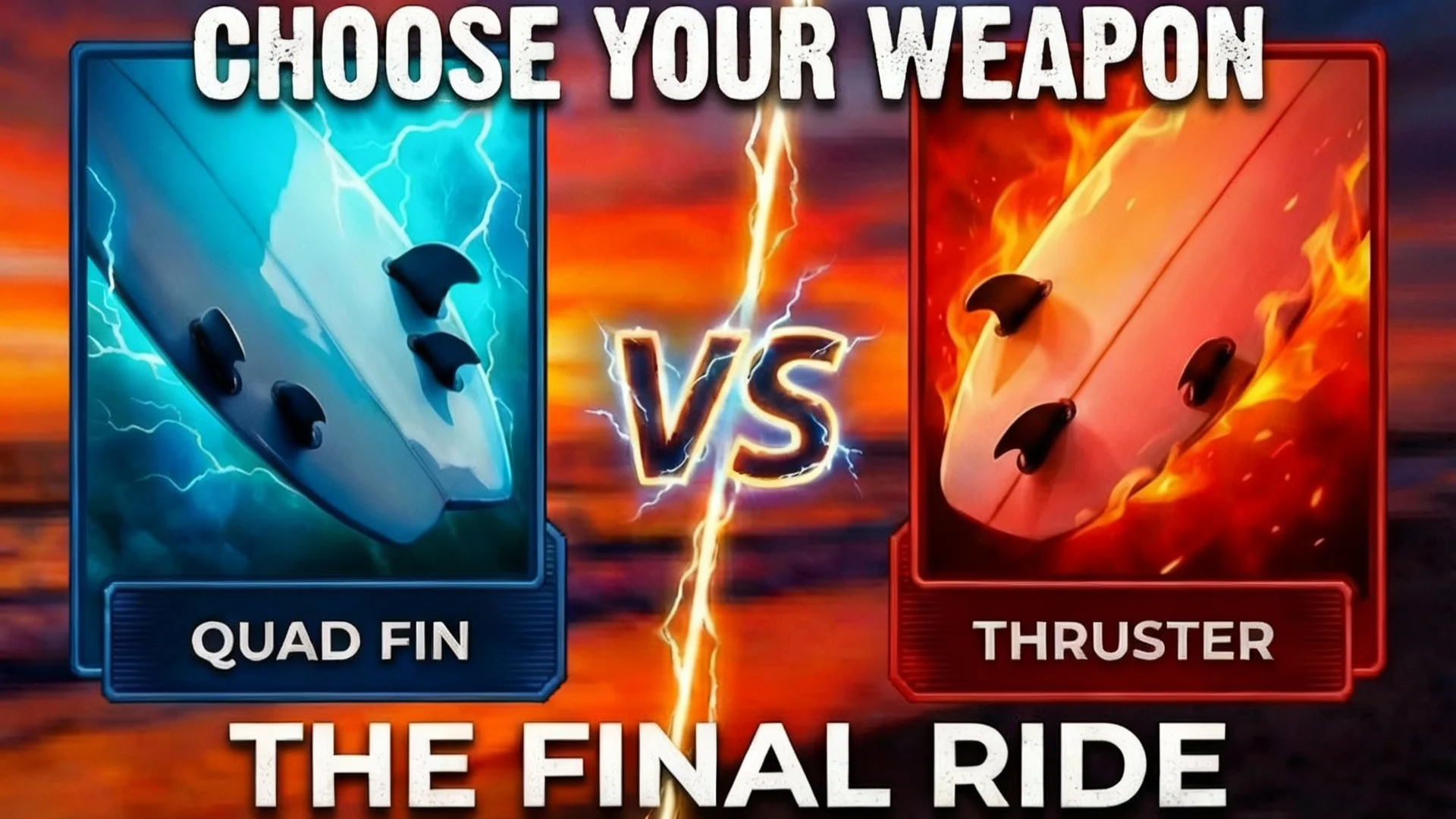
Every board in Stab in the Dark X was set up for both quad and thruster. Kelly switched between them across 174 waves. The result is the best real-world breakdown of when each setup works.
Stop guessing between quad fins and thrusters. Learn exactly when each setup works, how they perform in different waves, and which one actually makes you faster.
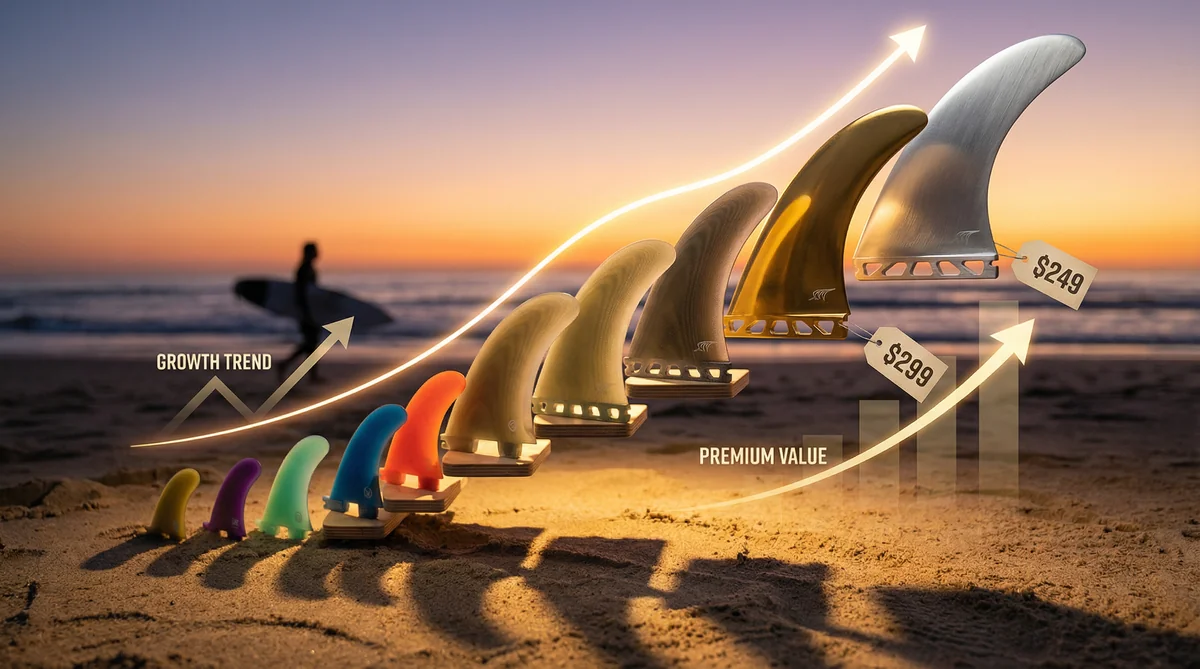
Fin prices jumped 25-30% since 2024, with some hitting $300. Discover the real reasons: tariffs, materials, shipping chaos, plus which mid-tier brands actually deliver value.
Your fins aren't broken, they just need maintenance. Before you drop $80 to $150 on a new set, learn how to fix humming, drag, and performance issues with simple surfboard fin care that takes just 20 minutes.
Stop riding the same fins. 2026 is your year to dial in a real quiver. Learn which setups actually work for different conditions and find your perfect fin combination.
We've all been there. You buy the top-tier fins hoping for a magic fix. But will a $180 set of carbon fins actually improve your surfing, or is it just a placebo?
Struggling to generate speed in small surf? It might be time to ditch the thruster. Discover why a twin fin is the ultimate cheat code for weak waves.
Confused by fin sizes? Stop guessing. This guide breaks down how to choose the right surfboard fins based on your weight, board type, and wave conditions.
Why are pros like Joel Parkinson and Mikey February switching to single fins? Discover the style, speed, and technique benefits of single fin surfing.
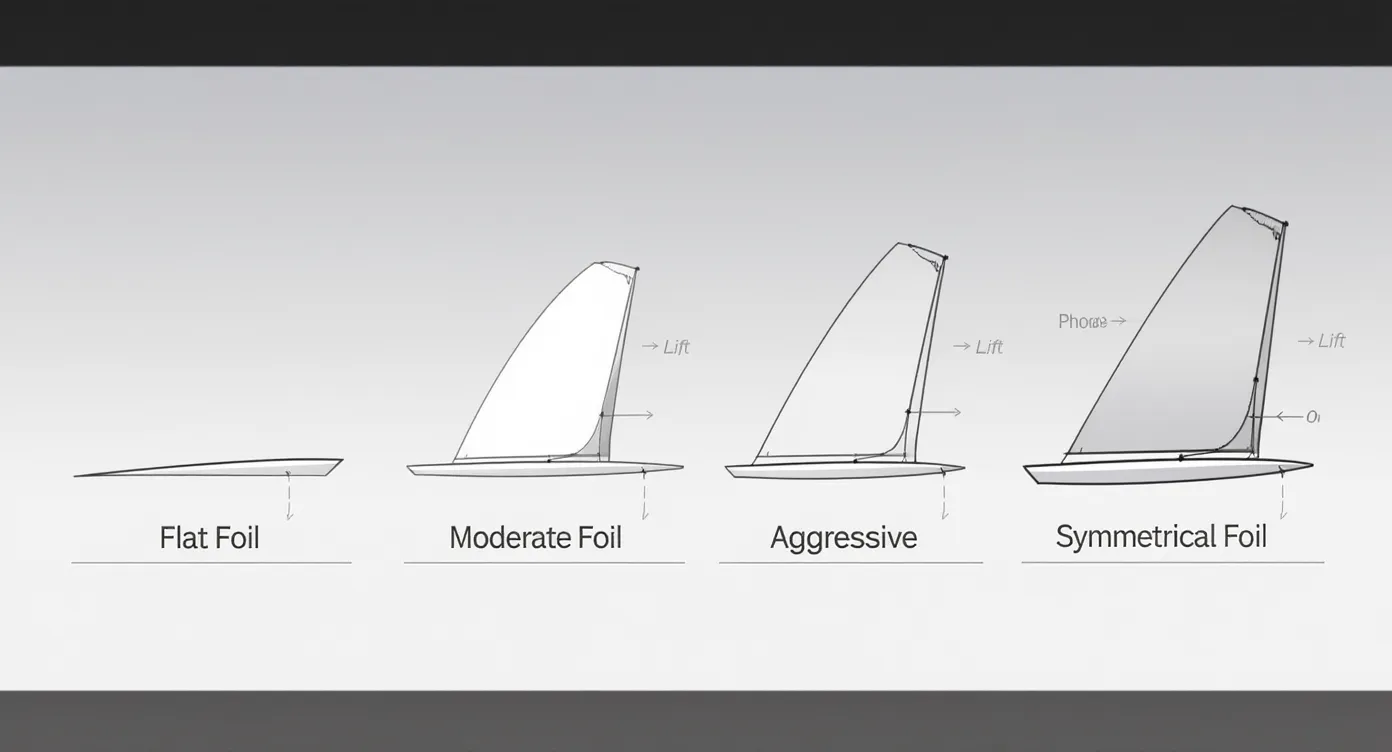
Understand fin foil and how it affects your surfing performance. Learn the difference between flat, moderate, and aggressive foils and which works best for your style.
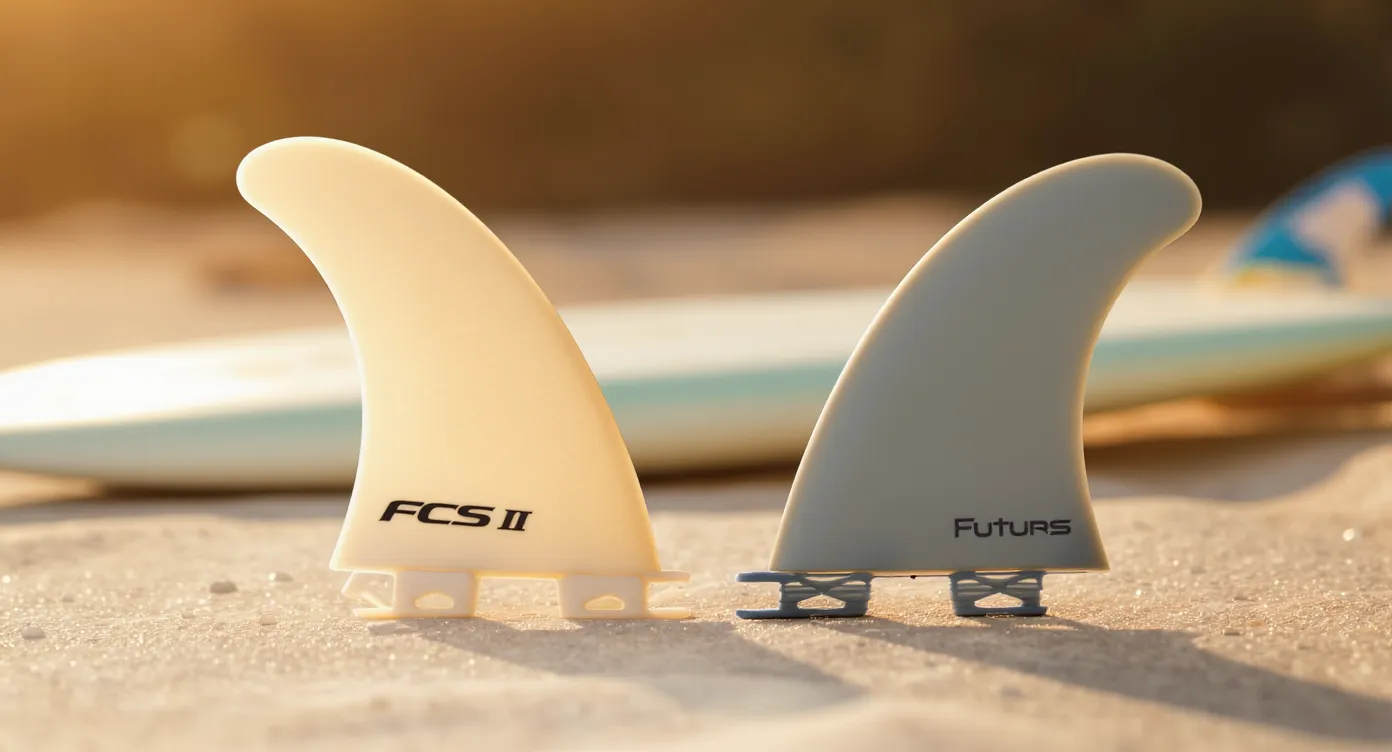
Cut through the hype and understand the real performance differences between FCS vs Futures fins so you can choose the system that actually fits your surfing.
Welcome to Finsights, the new blog from Fin Finder! We're excited to bring you expert insights, practical tips, and in-depth guides about everything related to surfboard fins.
Starting your surfing journey? Don't fall into these common fin traps! Learn the five most frequent mistakes beginners make when choosing and using surfboard fins, and discover how to avoid them.
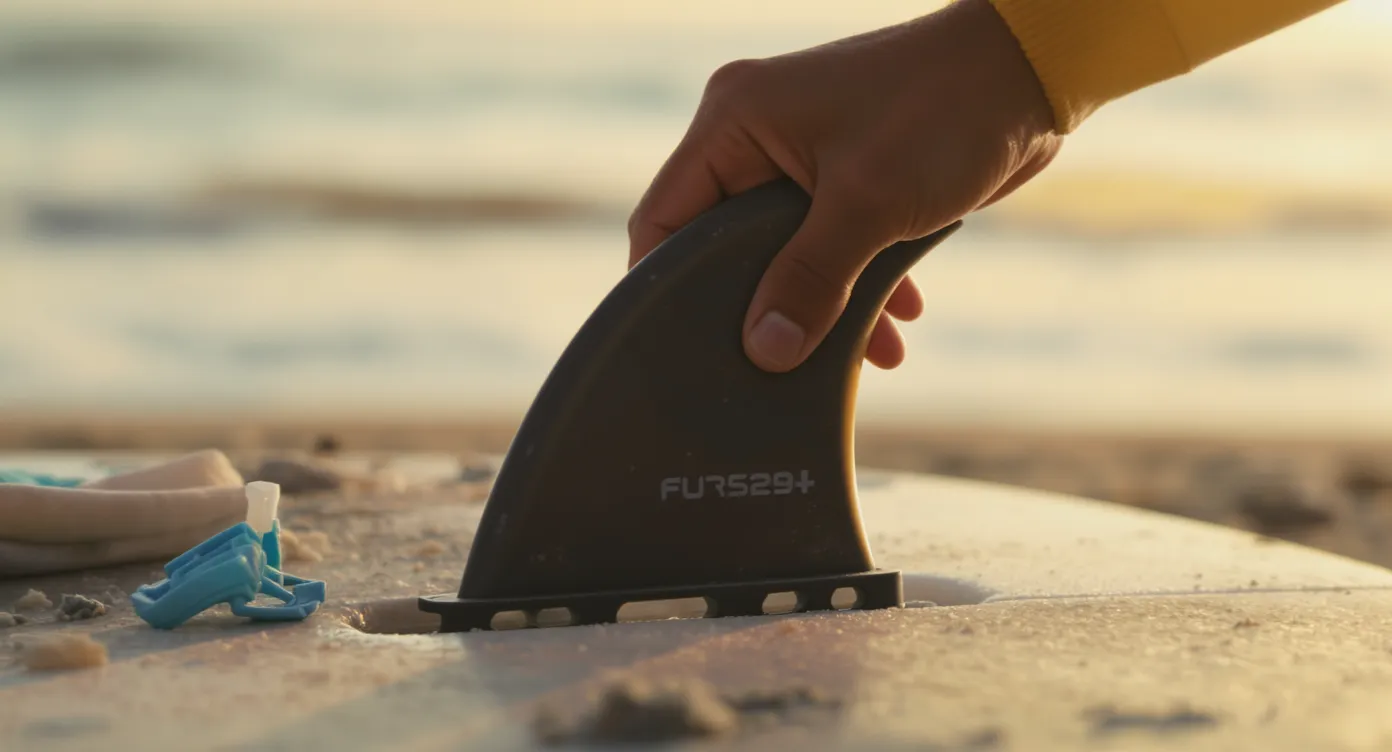
Stuck surfboard fins got you frustrated? Learn proven tricks to remove them safely: wax, heat, lubrication, and the rock-and-wiggle method that actually works.
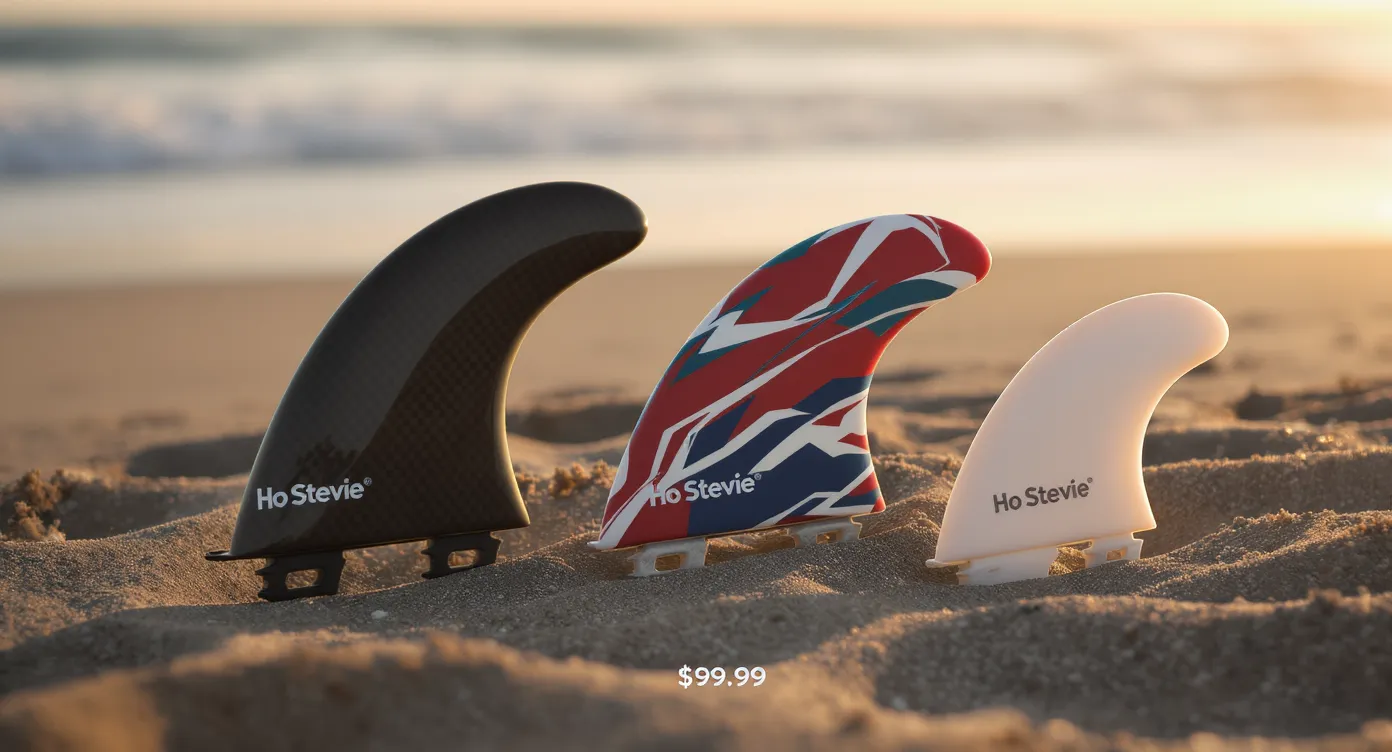
Ho Stevie fins review: honest breakdown of quality, performance, and value. Learn why these mid-range fins are a solid choice for most surfers.
Get the latest surfboard fin tips and recommendations delivered to your inbox (coming soon!)
Newsletter coming soon!