You're watching the Pipe Masters, and John John Florence paddles into a bomb on a 6'1" Pyzel with Futures fins. Next heat, Jack Robinson drops into a similar wave on a different shaper's board running FCS II. Nobody blinks. Nobody gets flagged.
And that right there tells you something wild about professional surfing: the WSL fin rules are practically nonexistent. The WSL barely regulates equipment at all.
The Rulebook Is 120 Pages Long. The Fin Section Is Basically Empty.
The WSL publishes a new rulebook every year. The 2026 edition runs north of 120 pages covering everything from jersey colors to interference calls to prize money distribution. But when it comes to what you can ride? The rules are shockingly thin.
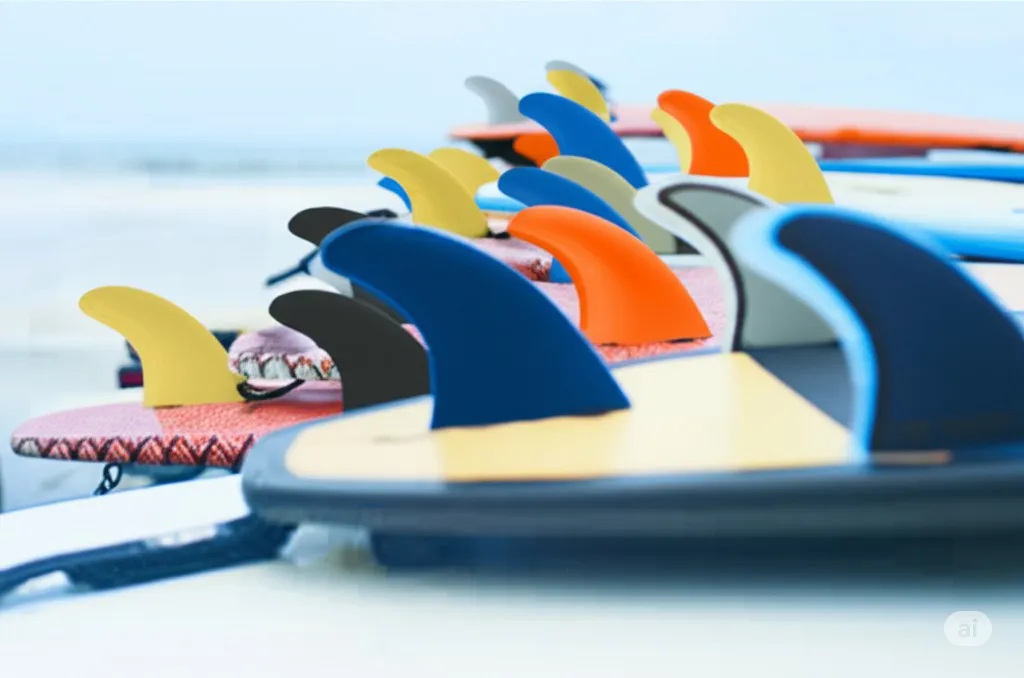
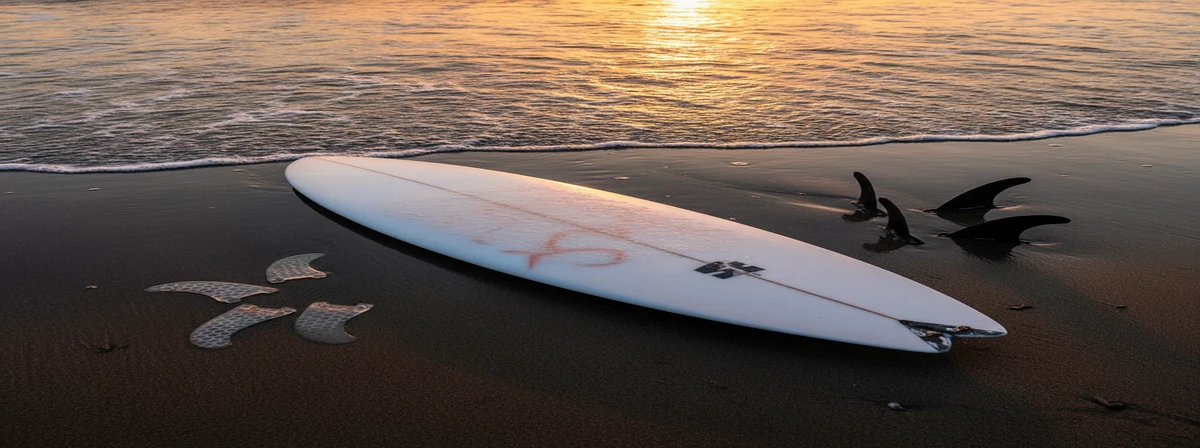
There are no restrictions on fin setup. Thruster, quad, twin, single, five-fin, finless. All legal.
No limits on fin material, either. Carbon, fiberglass, plastic, honeycomb core, recycled ocean plastic. No maximum or minimum fin dimensions. No approved manufacturer list.
Same goes for boards. No length limits, no width limits, no volume caps. No restrictions on materials or construction.
A surfer could technically paddle out on a 9'6" longboard at Teahupo'o if they wanted to. They won't, because they'd get destroyed. But the rulebook wouldn't stop them.
Compare That to Literally Any Other Sport
Golf regulates club head size down to 460cc. Tennis mandates racket dimensions to the millimeter. Formula 1 teams get penalized for a wing angle that's 0.5 degrees off spec.
Swimming banned certain suits after they shattered too many records in 2008. Surfing? Bring whatever you want.
The reason is partly philosophical and partly practical. Surfing has always been a sport where equipment is deeply personal. Your board is shaped for your body, your wave, your style.
Standardizing equipment would strip out one of the most creative parts of the sport. When the WSL has even hinted at equipment regulations, the pushback from surfers has been immediate and loud.
The Longboard Single-Fin Fiasco
Case in point: the WSL Longboard Tour briefly floated the idea of mandating single-fin setups for competition. The logic made some sense on paper. Single fins reward traditional longboard surfing, the noserides and smooth rail work that purists love.
Side bites can make a longboard feel more like a big shortboard, which some argued was drifting away from what longboarding should look like in competition.
Longboarders responded with a collective "absolutely not." Competitors argued it would limit progressive surfing on longboards and lock the discipline into a nostalgia-driven box. The WSL rescinded the proposal. It never made it into an official rule.
That episode tells you everything about the WSL's relationship with equipment regulation. Even when there's a reasonable argument for a rule, the culture of the sport resists standardization hard.
What Pros Ride on the Championship Tour
Without rules dictating equipment, sponsor deals and personal preference drive everything. Here's what the CT field looks like in practice.
Thrusters dominate. Roughly 80-85% of CT heats are surfed on three-fin setups. The center fin gives control in critical sections, and the WSL's judging criteria reward the kind of vertical, rail-to-rail surfing that thrusters enable. When judges want to see power in the pocket and committed turns, three fins deliver.
Quads show up in specific conditions. Hollow waves with speed, like Pipe or Teahupo'o, pull quad setups out of board bags. The reduced drag lets surfers carry speed through the barrel without pumping. Ethan Ewing notably rides quads more often than most CT surfers, and his tube riding benefits from it.
Twins and singles are basically nonexistent on the CT. Not because they're banned. Because the judging criteria favor performance surfing that requires the control thrusters and quads provide.
FCS II and Futures split the tour roughly 60/40, with FCS holding the larger share. Both companies sponsor heavily, and surfers tend to stick with whichever system their shaper prefers. That's it. There's no official fin system.
The Rules That Do Exist
The WSL isn't completely hands-off on equipment. A few rules matter.
Leashes are mandatory. Every surfer must wear a leash in competition. Lose your leash, lose your wave score potential while you swim in.
Competition jerseys must be visible. Surfers wear color-coded rashguards (called jerseys) so judges and viewers can identify them. You can't cover the jersey with a wetsuit.
Board damage mid-heat. If your board breaks or your fin pops out, you can get a replacement board brought to you, but the clock keeps running. No time-outs for equipment failure. This is why you'll see surfers with two or three boards on the beach during heats at heavy waves.
No motorized assistance. Jet ski assists for paddle-in events are prohibited. The board and the surfer's body are the only propulsion allowed.
Why This Matters for Regular Surfers
If the best surfers on the planet can ride any fin setup they want with zero restrictions, it tells you something. Equipment choice in surfing is almost entirely personal.
There's no "competition-legal" fin you need to buy. There's no banned material that's secretly faster.
The pros pick their fins based on wave conditions, board shape, and how the setup feels under their feet. That's the same decision-making process you should use. Your weight, your waves, your board. That's all that matters.
Key Takeaways
- The WSL has virtually no restrictions on fins, boards, or surfing equipment for shortboard competition
- Any fin setup is legal: thruster, quad, twin, single, or five-fin configurations
- Thrusters dominate the CT not because of rules, but because WSL judging criteria reward the surfing style they enable
- The longboard single-fin mandate was proposed and quickly killed after competitor backlash
- Your equipment choices should be driven by your conditions and feel, not by what's "approved" for competition
Wondering which fin setup fits the way you actually surf? FinFinder's recommender matches your board, weight, and wave conditions in about a minute.
Helpful Resources
Ready to Find Your Perfect Fins?
Use our expert fin recommender tool to get personalized suggestions based on your needs.
Try Fin Recommender