You're standing in Ngurah Rai airport baggage claim, watching your board bag come around the carousel with that ominous wobble that means something shifted inside. You unzip it in the parking lot. Two fins snapped at the base. Your fin key is buried somewhere under a pile of boardshorts in your checked bag. And you're 45 minutes from Uluwatu with a southwest swell hitting tomorrow morning.
Every surfer who's traveled by air has a fin horror story. Almost all of them were preventable.
TSA Won't Confiscate Your Fins (But They Might Look Twice)
Surfboard fins are allowed in both carry-on and checked luggage. TSA has no specific policy against them. They're not sharp enough to qualify as weapons, and they don't appear on any restricted items list.
That said, TSA agents have final discretion on everything that goes through the checkpoint. A thick fiberglass fin with a pointed tip could catch someone's attention on the X-ray. It happens. Not often, but it happens.
The move: pack your loose fins in your carry-on if you want them close. Stick them in a fin wallet or wrap them in a shirt. If they're going in your board bag as checked luggage, even easier. Nobody's pulling fins out of a surfboard bag at baggage screening.
One tip that saves headaches later: photograph your fins before you travel. All of them, laid out, with your board. If anything goes missing or gets damaged, having documentation helps with airline claims. Nobody thinks to do this until it's too late.
The Packing Mistakes That Destroy Fins
TSA isn't the enemy here. Bad packing is.
Fins left attached to the board during travel are begging to get destroyed. Baggage handlers don't know or care that your FCS II Performers cost $120. They're tossing your board bag onto a conveyor belt at 5 AM, and that bag is landing fin-first on concrete.
Remove your fins. Always. Every single time.
Pull Them and Wrap Them
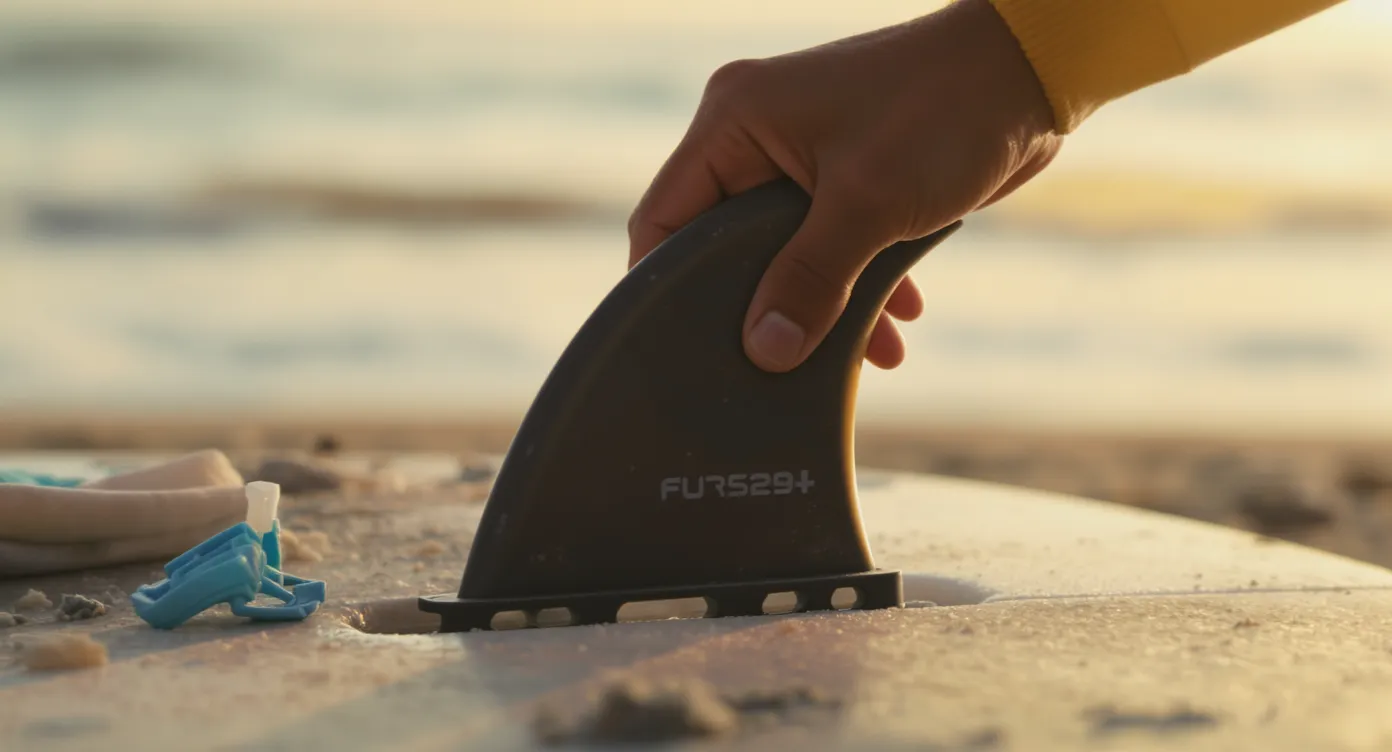
Take every fin out of the boxes. Put each one in a padded fin wallet, or wrap them individually in socks. The tennis ball trick is legit: slice open a tennis ball and cap it over the fin tip. Costs nothing. Prevents chipped tips.
Store the wrapped fins in an outside pocket of your board bag, not loose inside with the boards. Fins rattling around between surfboards cause pressure dings. That's not theory. That's two trips to Bali talking.
Protect the Empty Fin Boxes
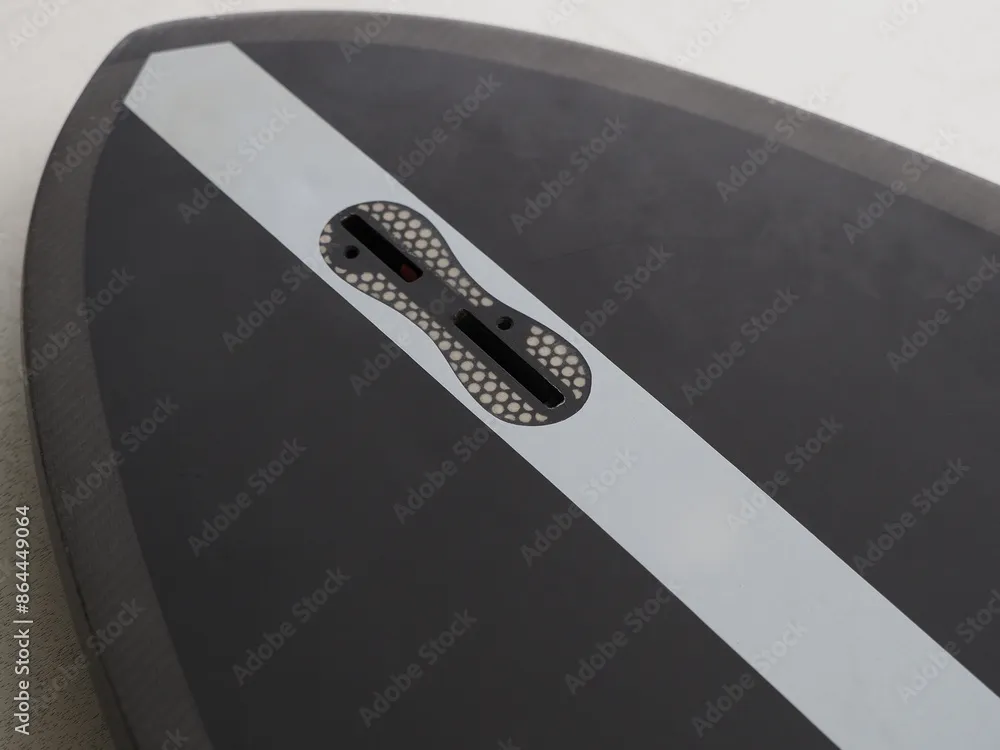
Empty fin boxes are vulnerable too. Stuff small pieces of foam or wadded tape into the slots to keep them from getting crushed or cracked during handling. FCS II boxes are especially prone to this because the tab system sits slightly proud of the board surface. Five minutes of prep saves a $200 board repair.
Pack Multiple Fin Keys
Fin keys vanish. It's a law of surf travel, right up there with lost sunglasses and missing wax combs. Pack two in your board bag and one in your carry-on. If you ride Futures with the single-tab system, bring a small flathead screwdriver too.
Arriving at a world-class reef pass with your fins sitting loose in a bag and no way to install them is a special kind of agony.
Building Your Travel Fin Quiver
This is where most surfers blow it. They bring one set of fins for a two-week trip to Indonesia and hope for the best.
Indonesia dishes out everything from 2-foot Bali beach breaks to double-overhead Mentawai reef passes. One fin set can't cover that range. You need at least two.
The Two-Set Minimum
Set 1: Your daily drivers. Medium stiffness, moderate rake, whatever template you ride at home in chest-high surf. These cover 70% of your sessions. The familiar feel keeps you surfing with confidence while you're adjusting to new lineups.
Set 2: A step-up set. Larger, stiffer, more upright. For when the swell picks up and you're paddling into head-high reef waves at Macaronis or HTs. Your beach break fins will feel sketchy and loose on a steep, powerful face. You set your rail on a bottom turn and the fin just... slides. No bite. No hold. That sinking feeling in your stomach when you realize the equipment quit before you did.
The extra depth and base length on a step-up fin give you grip when it counts. The board locks in, the rail engages, and suddenly you're drawing lines on a wave you've never surfed before with the kind of quiet confidence that only comes from the right gear.
If you're packing three sets, add a small-wave option. Smaller, more flexible fins for flat mornings at Playgrounds or lazy points where generating speed matters more than hold.
Material Matters on Reef Waves
Fiberglass fins outperform in powerful Indo surf. The natural flex gives you feedback through the board, and feedback matters when you're reading an unfamiliar reef break for the first time. You can feel the fin loading through each bottom turn and releasing off the top. The board talks to you.
Carbon fins are stiffer and faster in a straight line, but in new conditions they can feel disconnected. No conversation between you and the wave. Just rigid response.
Plastic fins? Leave them home. Reef waves will overwhelm soft flex. Your board will feel like it's sliding on ice through every critical section.
The Indo-Specific Stuff You Won't Find in a Packing List
Reef Fin Damage Is Inevitable
Indo reefs eat fins. You will hit bottom. It's not a question of if. A shallow inside section at Padang Padang or a late takeoff at Lance's Right means your fin tips are grinding over coral.
Bring a small Solarez UV cure kit. You can patch a chipped fin tip in the back of a boat between sessions. It won't look pretty, but it'll be functional. Without it, you're riding a damaged fin for the rest of the trip or buying whatever random set the local shop has in stock.
FCS vs. Futures Availability
Bali surf shops stock both systems. The Mentawais? Depends entirely on where you're staying. Some charter boats carry spare FCS sets. Some carry nothing.
Don't assume you can buy replacements in remote locations. Bring everything you need. Three fin sets weigh almost nothing and take up less space than a pair of flip-flops. There's no excuse to under-pack fins for a trip you spent months planning.
Warm Water Changes Fin Feel
Indo water sits around 80 degrees year-round. Warm water makes fins feel slightly looser because the materials flex more in heat. If your fiberglass fins feel dialed in cold California water, they might feel a hair soft in the tropics.
It's subtle. Most surfers won't notice. But if you're particular about flex patterns, consider going one step stiffer for tropical trips. Your medium-stiff home fins become medium in Indo heat.
The Night-Before Checklist
Do this the night before your flight. Not the morning of. Nobody makes good packing decisions at 4 AM.
- Fins removed from boards and individually wrapped
- Fin boxes stuffed with foam or tape
- Two fin keys in the board bag, one in carry-on
- Daily driver fin set packed
- Step-up fin set for bigger days packed
- Solarez UV cure kit for reef repairs
- Photos of all fins and gear for insurance claims
Key Takeaways
- TSA allows surfboard fins in both carry-on and checked bags with no restrictions, though agents have final discretion at the checkpoint.
- Always remove fins before packing. Fins left on boards snap, crack boxes, and ding rails during airline handling.
- Pack at least two fin sets for Indo: your daily drivers and a stiffer step-up set for reef power.
- Fiberglass outperforms plastic and carbon in powerful tropical surf where feedback and flex matter most.
- Bring spare fin keys, a Solarez repair kit, and don't count on buying replacement fins in remote locations like the Mentawais.
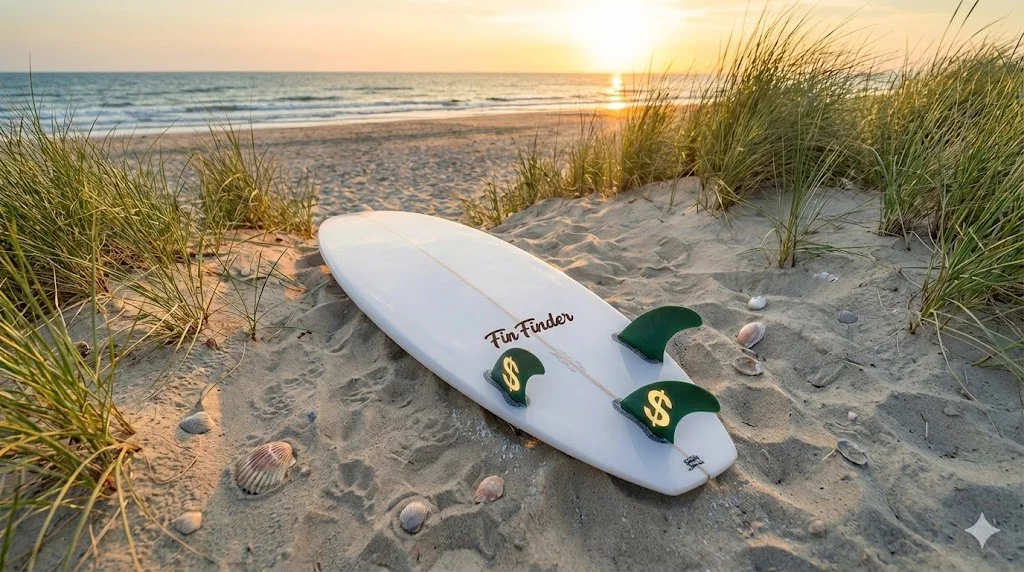
Not sure which fin setups to pack for your destination? Plug your trip details into FinFinder's recommender and it'll tell you what to bring. Beats staring at your quiver at midnight trying to decide.
Helpful Resources
Ready to Find Your Perfect Fins?
Use our expert fin recommender tool to get personalized suggestions based on your needs.
Try Fin Recommender